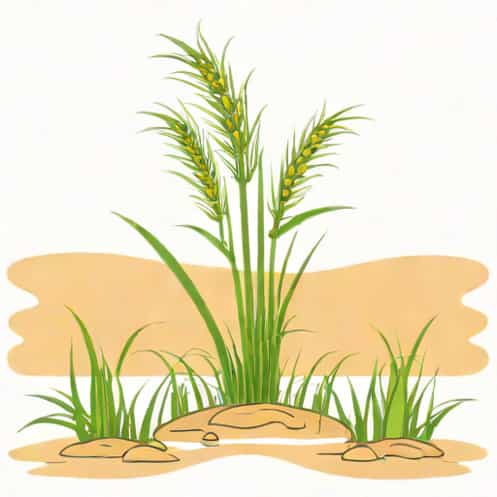
Pendulous sedge is a perennial grass-like plant that often becomes a nuisance in lawns, gardens, and landscaped areas. Its ability to spread rapidly through rhizomes and seed dispersal can make it difficult to control once established. While it can add texture and interest in naturalized settings, pendulous sedge is generally unwanted in managed lawns or flowerbeds due to its aggressive growth habit. Successfully getting rid of pendulous sedge requires a combination of cultural practices, mechanical removal, and, in some cases, targeted herbicide application. Understanding the biology of the plant, monitoring its spread, and implementing consistent control measures are essential for maintaining a healthy, sedge-free landscape.
Understanding Pendulous Sedge
Pendulous sedge, sometimes known as Carex pendula, is a tufted perennial plant that grows in clumps and produces long, drooping seed heads. Its preference for moist, shaded areas allows it to thrive along stream banks, garden borders, and damp lawn sections. Identifying this plant accurately is the first step in controlling it effectively.
Key Features of Pendulous Sedge
- Leaves Long, narrow, and grass-like, often arching or pendulous in appearance.
- Stems Triangular in cross-section, which is a distinguishing feature from grasses.
- Seed heads Drooping and densely packed, usually forming in late spring to early summer.
- Root system Fibrous rhizomes that allow the plant to spread underground.
Recognizing these characteristics helps distinguish pendulous sedge from other similar-looking grasses and weeds, ensuring that control measures target the correct species.
Manual and Mechanical Removal
For small infestations, manual or mechanical removal can be highly effective. Since pendulous sedge spreads via rhizomes, complete removal of the root system is crucial to prevent regrowth. This approach is labor-intensive but avoids the use of chemicals, making it suitable for organic gardens and sensitive areas.
Step-by-Step Manual Removal
- Use a spade or garden fork to dig around the base of each clump, loosening the soil.
- Carefully lift the entire clump, including all rhizomes and roots, to prevent regrowth.
- Dispose of removed plants in sealed bags or compost them far from garden areas to avoid re-establishment.
- Repeat inspections every few weeks, as small rhizome fragments left in the soil can regrow.
Mechanical methods, such as hoeing or tilling, can help control larger areas but must be done consistently to prevent the plant from spreading further.
Soil and Environmental Management
Modifying soil and environmental conditions can reduce the likelihood of pendulous sedge re-establishing. Since this plant prefers moist, shaded, and nutrient-rich areas, making the environment less favorable can help control its growth.
Drainage Improvement
- Ensure that garden beds and lawns have proper drainage to reduce prolonged moisture.
- Use raised beds or mounds in areas prone to waterlogging.
- Redirect water away from areas where pendulous sedge tends to grow excessively.
Soil Maintenance
- Reduce excess organic matter, such as thick layers of mulch, which can provide ideal conditions for sedge growth.
- Aerate compacted soil to improve water infiltration and discourage shallow root proliferation.
- Maintain a balanced soil pH and nutrient levels to support desired plants while limiting sedge growth.
Adjusting soil and environmental conditions makes it harder for pendulous sedge to thrive, complementing direct removal efforts.
Herbicide Treatments
In cases of extensive infestations, chemical control using selective herbicides may be necessary. Pendulous sedge is resistant to many standard lawn herbicides, so it is important to choose products specifically labeled for sedge control.
Applying Herbicides
- Use a selective post-emergent herbicide containing active ingredients like halosulfuron or sulfentrazone, which target sedges without harming grass.
- Follow label instructions carefully, including recommended application rates and timing.
- Apply herbicides when sedge is actively growing, usually in spring or early summer, for maximum effectiveness.
- Consider spot treatments for localized infestations to minimize chemical use.
Multiple applications may be required, as pendulous sedge can regrow from surviving rhizomes. Always wear protective clothing and follow safety precautions during herbicide application.
Preventive Measures
Preventing future infestations is essential to maintaining a sedge-free landscape. Combining cultural practices, proper planting techniques, and regular monitoring can significantly reduce the risk of pendulous sedge spreading.
Preventive Tips
- Inspect new soil, mulch, or plants before adding them to garden beds to avoid introducing sedge seeds or rhizomes.
- Maintain healthy turf or plant coverage to outcompete sedge and reduce open, moist areas where it can establish.
- Remove any new seedlings or small sedge clumps promptly before they spread.
- Regularly mow lawns and trim garden beds to prevent seed production and dispersal.
Consistency in monitoring and early intervention is key to preventing pendulous sedge from becoming a recurring problem.
Monitoring and Follow-Up
Even after removal and preventive measures, ongoing monitoring is necessary to ensure long-term control. Pendulous sedge can re-emerge from small rhizome fragments or seeds, making vigilance crucial.
Monitoring Techniques
- Inspect high-risk areas, such as shaded, moist spots, every few weeks.
- Mark areas that were heavily infested to track new growth.
- Combine monitoring with manual removal or spot herbicide applications as needed.
- Document progress to evaluate the effectiveness of your control strategy over time.
Regular monitoring and follow-up actions ensure that pendulous sedge does not regain a foothold in your landscape.
Getting rid of pendulous sedge requires an integrated approach that combines identification, manual removal, soil and environmental management, selective herbicide use, and preventive measures. Early detection and thorough removal of roots and rhizomes are essential to prevent regrowth, while improving drainage and reducing organic matter can make conditions less favorable for the plant. When necessary, carefully applied herbicides can control extensive infestations. Consistent monitoring, along with preventive practices such as maintaining healthy turf and prompt removal of new growth, ensures long-term success in managing pendulous sedge. By following these strategies, gardeners and homeowners can protect their lawns and garden beds, maintain aesthetically pleasing landscapes, and prevent this aggressive plant from spreading unchecked.