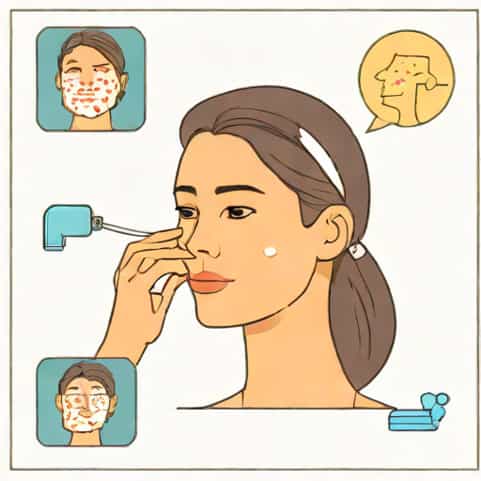
Many people dealing with acne are familiar with the frustration of scabs forming after a breakout. While acne itself can be challenging, the healing process often leaves behind scabbed over acne that can be tempting to pick or remove. Online, there has been a rise in scabbed over acne removal videos, which show the process of dealing with scabs and blemishes. These videos attract millions of viewers who are curious, fascinated, or looking for skin care advice. However, the topic also raises questions about safety, effectiveness, and the right ways to treat healing acne.
Why Scabbed Over Acne Forms
When a pimple bursts or is extracted, the body responds by creating a protective layer to heal the skin. This layer becomes a scab, shielding the wound from bacteria and preventing further damage. While this is a normal part of the healing process, scabs can sometimes be itchy, dry, or cosmetically concerning for those dealing with acne.
The Role of Scabs in Skin Healing
Scabs are not just an inconvenience-they are part of the body’s natural defense system. Underneath the scab, skin cells regenerate, and collagen production helps close the wound. Removing or picking at scabs prematurely can delay healing, cause scars, and increase the risk of infection.
The Popularity of Acne Removal Videos
Scabbed over acne removal videos have gained a massive following online. For some viewers, these videos provide a sense of satisfaction, often referred to as oddly satisfying content. Others watch them to learn how to care for scabbed acne or simply to satisfy curiosity.
Reasons People Watch
- Visual satisfaction from seeing blemishes cleared.
- Educational purposes-understanding skin care methods.
- Curiosity about dermatology and acne treatment.
- Stress relief or relaxation through repetitive visuals.
Risks of Following Video Trends
While these videos can be entertaining, they may unintentionally encourage viewers to try unsafe methods at home. Attempting to peel or forcefully remove scabs as shown in some content can damage the skin. What may look harmless in a video can lead to scars or prolonged healing in real life.
Safe Ways to Handle Scabbed Over Acne
Instead of focusing on scab removal, dermatologists recommend proper skin care practices that support healing. Here are some approaches that can help
Gentle Cleansing
Using a mild cleanser keeps the skin clean without stripping away moisture. Harsh scrubbing can irritate scabs and worsen redness or sensitivity.
Moisturizing the Skin
Dryness can cause scabs to crack or peel prematurely. Applying a gentle, non-comedogenic moisturizer keeps the skin hydrated and supports natural recovery.
Spot Treatments
Some over-the-counter treatments, such as products with salicylic acid or benzoyl peroxide, can help reduce inflammation around acne-prone areas. However, they should be used carefully to avoid over-drying scabbed areas.
Sun Protection
Exposure to sunlight can darken healing spots and lead to hyperpigmentation. Applying sunscreen is essential to protect delicate skin and reduce long-term discoloration.
What Not to Do
When dealing with scabbed acne, there are certain habits to avoid. These common mistakes can slow down the healing process and increase the risk of permanent marks.
- Do not pick or peel scabs, as this interrupts healing.
- Avoid using strong exfoliants directly on scabs.
- Do not apply heavy makeup that clogs pores around healing areas.
- Avoid following unsafe methods seen in scabbed over acne removal videos.
Psychological Impact of Acne Content
For many, acne is more than a physical condition-it also affects emotional well-being. Watching acne removal videos can bring mixed feelings. While some find them relaxing, others may feel self-conscious or pressured about their own skin. It is important to remember that everyone’s healing process is unique and influenced by genetics, lifestyle, and care routines.
Managing Expectations
Videos often show fast results, but in reality, healing takes time. Comparing personal progress to what is seen online can lead to unrealistic expectations. Accepting that scabs are part of recovery helps reduce frustration and encourages patience.
Professional Treatments for Healing Skin
For individuals struggling with persistent acne or scarring, dermatologists can offer professional treatments that are safer and more effective than home remedies or video-inspired techniques.
Options May Include
- Chemical peels to improve skin texture and fade scars.
- Laser treatments for reducing pigmentation and encouraging collagen production.
- Prescription creams with retinoids to promote cell turnover.
- Medical extraction performed under sterile conditions.
Balancing Curiosity and Skin Health
It is natural to be curious about scabbed over acne removal videos, but skin care choices should prioritize safety. The appeal of these videos lies in their visual satisfaction, but replicating them at home can cause damage. Striking a balance between curiosity and healthy habits ensures that the skin heals properly without unnecessary risks.
Tips for Healthy Skin Recovery
If you are currently dealing with scabbed acne, here are some general reminders that can support smoother healing
- Stay consistent with a gentle skin care routine.
- Use fragrance-free, dermatologist-approved products.
- Get adequate sleep to support natural regeneration.
- Eat a balanced diet rich in vitamins and antioxidants.
- Seek professional advice for stubborn acne or scars.
Scabbed over acne removal videos continue to gain popularity online, offering both fascination and controversy. While they may provide entertainment or a sense of relief to viewers, they can also encourage unsafe practices if taken literally. The healthiest approach to acne recovery is to allow scabs to heal naturally, use supportive skin care, and seek medical guidance when necessary. By focusing on safe practices instead of quick fixes, it is possible to promote long-term skin health and reduce the risk of permanent scarring.