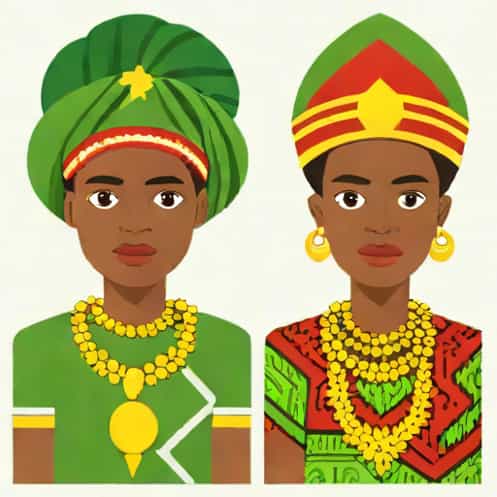
The Igbo people of Bioko Island in Equatorial Guinea represent a fascinating chapter of African history that blends migration, culture, and resilience. While the island is often associated with its indigenous Bubi population and Spanish colonial legacy, it also has a notable community of Igbo descendants whose ancestors came from southeastern Nigeria. Their presence on Bioko traces back to the Atlantic slave trade era and subsequent waves of migration, leading to a distinct Igbo identity that continues to influence the island’s culture, religion, and economy today.
Historical Background of the Igbo Presence on Bioko Island
Bioko Island, once known as Fernando Po, lies off the coast of West Africa in the Gulf of Guinea. Its strategic position made it a significant point of contact during the 18th and 19th centuries, especially during the height of European colonization and the transatlantic slave trade. The Igbo people, originally from southeastern Nigeria, became part of Bioko’s demographic landscape through several different historical processes.
During the 19th century, many Igbo individuals were transported to the island as enslaved laborers or contract workers. British colonial and missionary activities also facilitated their movement, particularly when freed slaves and recaptives were resettled on the island after the abolition of the slave trade. These freed Africans, including many Igbos, contributed to the establishment of new communities that combined African traditions with European influences.
Additionally, later economic opportunities drew Igbo traders and workers to Bioko during the Spanish colonial period. As a result, the Igbo population gradually became an integral part of Bioko’s multicultural society, alongside the Bubi, Fernandino, and other ethnic groups.
Connection Between the Igbo of Bioko and Nigeria
The cultural and historical ties between the Igbo of Bioko and southeastern Nigeria remain strong, despite centuries of separation. The Igbo language, customs, and traditional practices continue to play an important role in shaping their identity. Many Igbo families on Bioko still trace their lineage to towns in Nigeria such as Onitsha, Owerri, and Enugu.
Trade and migration have also maintained a connection between Bioko’s Igbo population and their Nigerian counterparts. Even today, Nigerian traders, businesspeople, and professionals frequently visit or settle in Equatorial Guinea, strengthening the cultural bridge between both communities. This shared heritage helps preserve Igbo traditions and reinforces their sense of belonging within the broader African diaspora.
Language and Cultural Identity
Language is a crucial part of Igbo identity, and on Bioko Island, it has evolved in unique ways. While Spanish is the official language of Equatorial Guinea and Pidgin English is widely spoken, some Igbo families still maintain their native tongue, especially within private and community settings. This linguistic continuity helps preserve their ancestral roots even in a multicultural environment.
In addition to language, other cultural expressions such as traditional music, dance, and attire remain vibrant. Igbo festivals, especially those celebrating harvests or ancestral remembrance, are occasionally observed within these communities. The sense of kinship, communalism, and respect for elders-all hallmarks of Igbo culture-remain deeply embedded in their daily lives.
Religion and Spiritual Life
Religion among the Igbo of Bioko reflects both their traditional beliefs and the influence of Christianity. Missionary activities during the colonial period brought Catholicism and Protestantism to the island, leading many Igbos to adopt Christian practices. However, elements of indigenous spirituality have survived, often blending with Christian rituals.
Traditional Igbo spirituality, centered around reverence for ancestors and belief in a supreme being known as Chukwu, continues to shape their worldview. Ceremonies, prayers, and moral codes rooted in these beliefs coexist with Christian values, creating a rich and syncretic religious culture that defines the Igbo experience on Bioko.
Economic Contributions and Social Role
Over the decades, the Igbo community on Bioko has contributed significantly to the island’s economy. Known for their entrepreneurial spirit, many Igbos have established themselves as traders, craftsmen, and professionals. Their involvement in commerce, transportation, and construction has helped boost local industries and create employment opportunities.
In addition to their economic role, Igbos have played a part in the island’s educational and political development. As early adopters of Western education brought by missionaries, they have held influential positions in schools, government institutions, and private enterprises. Their emphasis on hard work, innovation, and self-reliance has earned them respect across different communities on Bioko.
Integration with Other Ethnic Groups
The Igbos of Bioko coexist with several other ethnic groups, including the Bubi, Fang, and Fernandino populations. While each group maintains its unique identity, there has been considerable cultural exchange over time. Intermarriage, shared religious institutions, and collaboration in trade and politics have strengthened social cohesion among Bioko’s diverse inhabitants.
However, the Igbo community also strives to preserve its heritage through cultural associations and community events. These gatherings provide opportunities to teach younger generations about their history, values, and customs, ensuring that the Igbo identity remains strong even in a multicultural setting.
Challenges Faced by the Igbo Community in Bioko
Despite their many achievements, the Igbos of Bioko have faced challenges related to identity, language preservation, and representation. The dominance of Spanish culture and the country’s political structure sometimes make it difficult for minority groups to assert their distinct histories. Furthermore, assimilation and intermarriage have led to the gradual fading of certain cultural practices among younger generations.
Another challenge is the limited documentation of Igbo contributions to Bioko’s history. Many historical records emphasize colonial narratives while overlooking African interrelations and migrations that shaped the island’s social fabric. Scholars and community leaders have been working to correct this by researching and highlighting the role of Igbos and other West African groups in the development of Equatorial Guinea.
The Legacy of the Igbo People on Bioko
The legacy of the Igbo people on Bioko Island is one of resilience, adaptability, and cultural pride. Their journey from displacement and forced labor to entrepreneurship and leadership demonstrates the strength of the human spirit. Through their traditions, values, and communal bonds, the Igbo have maintained a unique identity that contributes to Equatorial Guinea’s cultural diversity.
Their influence can be seen in local languages, religious expressions, and business practices. The community’s success story mirrors that of Igbos across West Africa-people known for their resourcefulness, intelligence, and determination to thrive under any circumstance. The continuation of these traits among Bioko’s Igbo population highlights their lasting impact on the island’s social and economic landscape.
Preserving the Igbo Heritage for Future Generations
For the Igbo people of Bioko, preserving their heritage means balancing modernity with tradition. Efforts are being made to document oral histories, promote cultural education, and maintain ties with Nigeria. Community elders often take on the role of cultural custodians, teaching young people about Igbo proverbs, folk tales, and moral values that strengthen their identity.
In recent years, digital platforms and cross-border collaborations have made it easier for Bioko’s Igbo descendants to reconnect with their Nigerian roots. Cultural festivals, language workshops, and social networks serve as modern bridges linking Igbos across West Africa and beyond. This revival of cultural consciousness ensures that their legacy will not only survive but continue to evolve in meaningful ways.
The Igbo people of Bioko, Equatorial Guinea, represent a remarkable story of endurance, adaptation, and unity. Despite being far from their ancestral homeland, they have maintained their cultural identity and contributed significantly to the island’s development. Their journey reflects broader themes in African history-migration, survival, and cultural fusion. Today, the Igbos of Bioko stand as a symbol of connection between West Africa’s past and its vibrant, multicultural present, continuing to enrich the heritage of Equatorial Guinea with their indomitable spirit and enduring traditions.