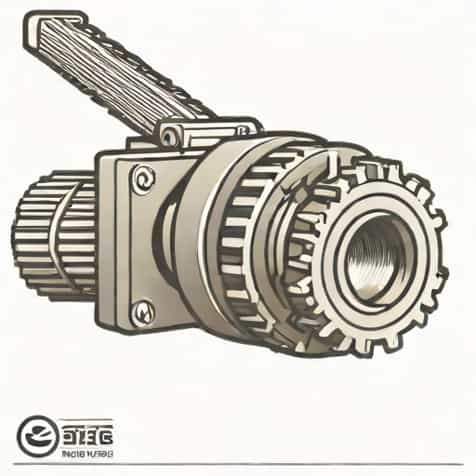
In the world of automotive maintenance and repair, small components often make a huge difference in the performance and safety of a vehicle. One such part is the universal rack and pinion bellow, a protective covering designed to shield the steering rack from dust, dirt, moisture, and other damaging elements. While many car owners may overlook this component, mechanics and enthusiasts know that a damaged or missing bellow can compromise steering efficiency and even shorten the lifespan of the steering system. Understanding its function, installation, and importance helps drivers keep their vehicles in optimal condition.
What is a Rack and Pinion Bellow?
A rack and pinion bellow, often called a steering rack boot, is a flexible rubber or thermoplastic cover that encases the ends of the steering rack. Its primary job is to protect the moving parts of the steering system from contaminants that can cause premature wear. A universal rack and pinion bellow refers to a version designed to fit a wide range of vehicle makes and models, making it an ideal choice for those looking for a versatile replacement option.
The Function of a Universal Rack and Pinion Bellow
To appreciate the role of this component, it is important to look at its functions
- ProtectionShields the steering gear from dirt, road debris, and moisture.
- DurabilityPrevents rust and corrosion that can result from water entering the rack.
- EfficiencyEnsures that grease remains inside the joint, reducing friction.
- SafetyMaintains smooth steering response by keeping contaminants out.
Without the bellow in place, the steering system would be vulnerable to constant exposure, leading to costly repairs or complete steering rack replacement.
Why Choose a Universal Rack and Pinion Bellow?
Vehicle-specific bellows are manufactured for particular models, but universal versions provide a flexible and affordable alternative. They are especially useful for mechanics who work with multiple vehicle types. Some advantages include
- Compatibility with a wide range of vehicles.
- Cost-effective compared to OEM replacements.
- Easy to source from automotive supply shops.
- Durable materials that can withstand extreme conditions.
Signs That a Rack and Pinion Bellow Needs Replacement
Like any component, bellows can wear out over time. Drivers should look out for the following warning signs
- Visible cracks or tears in the rubber boot.
- Grease leaking from the steering rack area.
- Unusual noises while turning the steering wheel.
- Difficulty in steering or inconsistent steering response.
- Excessive dirt buildup around the rack ends.
Ignoring these signs can allow contaminants to damage the internal components, leading to more serious steering issues.
Materials Used in Rack and Pinion Bellows
The durability of a bellow largely depends on the material used in its construction. Common materials include
- Natural RubberOffers flexibility but may degrade faster in extreme temperatures.
- NeopreneResistant to oil, grease, and environmental conditions, making it a popular choice.
- Thermoplastic Elastomer (TPE)Combines flexibility with durability and withstands temperature fluctuations.
Universal rack and pinion bellows are often made from high-quality synthetic materials to ensure longevity across various vehicle types.
Installation Process
Replacing a rack and pinion bellow can be performed by experienced DIY enthusiasts or professional mechanics. The basic steps are as follows
- Lift the vehicle and safely support it with jack stands.
- Remove the front wheel to access the steering rack.
- Disconnect the tie rod end from the steering knuckle.
- Remove the damaged or worn-out bellow.
- Install the universal rack and pinion bellow, ensuring it is properly seated.
- Secure it with clamps or fasteners provided in the kit.
- Reassemble the tie rod and wheel, then lower the vehicle.
Proper alignment should be checked after installation to ensure safe and accurate steering performance.
Common Mistakes to Avoid
When replacing a universal rack and pinion bellow, several mistakes can compromise the effectiveness of the repair
- Failing to clean the area before installation, leaving dirt trapped inside.
- Using the wrong size bellow or clamps, leading to loose fitting.
- Neglecting to check for hidden steering rack damage before replacing the boot.
- Over-tightening clamps, which can damage the material.
A careful and precise installation process ensures that the bellow provides maximum protection.
Maintenance Tips
To extend the lifespan of a universal rack and pinion bellow, regular maintenance is recommended
- Inspect bellows during routine oil changes or tire rotations.
- Check for leaks or cracks after driving in harsh weather conditions.
- Replace both bellows if one shows significant wear to maintain balance.
- Use protective sprays or coatings to resist premature cracking.
Cost and Availability
Universal rack and pinion bellows are relatively inexpensive compared to full steering rack repairs. Prices typically range from a few dollars to around fifty, depending on the brand and material quality. They are widely available in auto parts stores and online marketplaces, often sold as part of a kit with clamps and grease for easier installation.
Applications Beyond Automobiles
While most commonly associated with cars, rack and pinion bellows are also used in other machinery and industrial equipment. In these applications, they serve the same purpose protecting sensitive mechanical parts from dirt, debris, and wear. The universal design makes them suitable for everything from agricultural machines to light industrial systems.
The universal rack and pinion bellow is a small but essential component that plays a crucial role in maintaining the performance and safety of a vehicle’s steering system. By protecting the steering rack from contaminants, it extends the lifespan of one of the most vital parts of a car. Drivers who understand its importance can save themselves from costly repairs by replacing worn bellows promptly. Whether for cars, trucks, or other machinery, this versatile component demonstrates how thoughtful engineering in even the simplest parts can make a significant impact on reliability and safety.