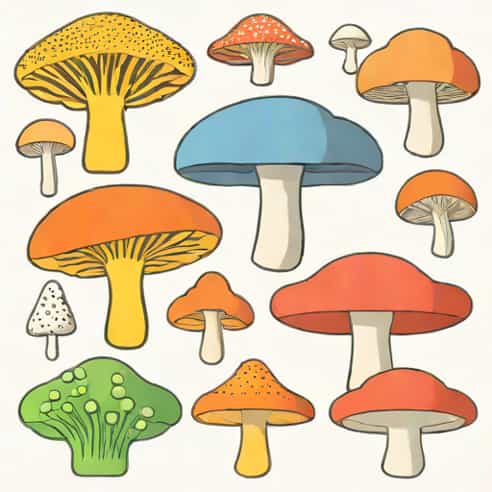
Fungi are fascinating organisms that play critical roles in ecosystems, agriculture, medicine, and industry. Understanding how fungi obtain their nutrients is key to comprehending their biology and ecological significance. One fundamental question often asked in biology is whether fungi are absorptive heterotrophs. This concept involves understanding how fungi feed, how they differ from plants and animals, and the unique mechanisms they use to extract nutrients from their environment. Exploring fungi as absorptive heterotrophs provides insight into their structure, life processes, and importance in both natural and human-influenced systems.
What Are Absorptive Heterotrophs?
The term absorptive heterotroph refers to organisms that obtain nutrients by absorbing them directly from their surroundings, rather than producing their own food through photosynthesis like plants. Heterotrophs rely on organic matter produced by other organisms to survive. In the case of fungi, this involves secreting enzymes into their environment to break down complex organic substances into simpler compounds that can be absorbed. This method of feeding is efficient and allows fungi to decompose a wide range of materials, from dead plant matter to animal remains.
How Absorption Works in Fungi
Fungi have a unique structure that facilitates absorptive nutrition. The main body of a fungus, called the mycelium, is composed of a network of hyphae-long, thread-like filaments that penetrate substrates. The hyphae secrete extracellular enzymes that break down complex molecules such as cellulose, lignin, and proteins. Once these molecules are broken down into smaller, soluble compounds, they are absorbed directly through the hyphal walls. This process allows fungi to access nutrients from sources that many other organisms cannot utilize efficiently.
- Hyphae increase surface area for maximum absorption.
- Secretion of enzymes enables external digestion of complex molecules.
- Absorptive nutrition supports growth, reproduction, and metabolic processes.
This mode of nutrient acquisition distinguishes fungi from plants, which rely on photosynthesis, and from animals, which typically ingest and internally digest their food.
Evidence That Fungi Are Absorptive Heterotrophs
Biological research and observation provide clear evidence that fungi are absorptive heterotrophs. Some key points include
Decomposition of Organic Matter
Fungi are primary decomposers in many ecosystems. They break down dead plants, leaves, wood, and other organic materials, returning nutrients to the soil. This ability demonstrates their absorptive heterotrophic lifestyle, as they rely entirely on external organic matter for nutrition rather than synthesizing it themselves.
Enzyme Production
Fungi produce a wide variety of extracellular enzymes that break down carbohydrates, proteins, and lipids into absorbable forms. For example, cellulase breaks down cellulose, and protease breaks down proteins. These enzymes are released into the surrounding environment, emphasizing that digestion occurs externally, followed by absorption.
Experimental Observations
In laboratory settings, fungi grow best on media that contain pre-digested nutrients or substrates they can decompose. When deprived of organic material, fungi cannot survive, confirming that they cannot produce their own food and must absorb nutrients from external sources. Studies on fungal physiology consistently show that absorption is the primary mode of nutrient acquisition.
Comparing Fungi to Other Heterotrophs
While fungi are heterotrophs, their method of absorption sets them apart from animals and some protists. Key differences include
- AnimalsIngest food and digest it internally using a digestive system.
- ProtozoaMay engulf food ptopics directly or perform endocytosis.
- FungiSecrete enzymes externally and absorb soluble nutrients through their hyphae.
These differences highlight the diversity of heterotrophic strategies in nature and underscore the specialized role of fungi as absorptive heterotrophs in ecosystems.
Ecological Importance
As absorptive heterotrophs, fungi are critical to nutrient cycling and ecosystem health. By breaking down complex organic matter, they release essential nutrients like nitrogen, phosphorus, and carbon back into the soil. This process supports plant growth and maintains soil fertility. Fungi also form symbiotic relationships with plants, such as mycorrhizal associations, where they provide nutrients to plant roots in exchange for carbohydrates. Without the absorptive heterotrophic capabilities of fungi, ecosystems would struggle to recycle nutrients effectively.
Applications of Fungal Absorptive Nutrition
The absorptive heterotrophic nature of fungi has been harnessed in many practical applications. Industries and scientific research benefit from fungi in ways that exploit their external digestion abilities
- BiodegradationFungi decompose waste materials, including paper, wood, and even some pollutants.
- Food IndustryProduction of enzymes, alcohol, and fermented products relies on fungal metabolism.
- Medical ResearchAntibiotics like penicillin are produced by fungi, taking advantage of their unique metabolic pathways.
- BiotechnologyFungi are used in genetic studies and industrial enzyme production due to their absorptive and enzymatic capabilities.
These applications demonstrate how the natural absorptive heterotrophic behavior of fungi can be translated into human benefits, from medicine to environmental management.
Common Misconceptions
Many people mistakenly assume fungi are plants because they grow in soil and have stationary lifestyles. However, fungi differ fundamentally in their nutrition. Unlike plants, they do not photosynthesize. Fungi are also distinct from animals in that they digest food externally rather than internally. Recognizing that fungi are absorptive heterotrophs helps clarify these misconceptions and emphasizes their unique position in the biological world.
Fungi are indeed absorptive heterotrophs, relying on external digestion and absorption of organic nutrients to survive and thrive. Their specialized hyphal structures, production of extracellular enzymes, and ecological role as decomposers demonstrate this mode of nutrition clearly. Unlike plants, fungi cannot synthesize their own food, and unlike animals, they digest food outside their bodies before absorption. This strategy allows fungi to access a wide range of organic materials, contributing to nutrient cycling, ecosystem health, and various human applications.
Understanding fungi as absorptive heterotrophs provides insight into their biology, ecological importance, and industrial potential. From decomposing organic matter in forests to producing enzymes in laboratories, fungi exemplify a highly effective and specialized mode of survival. Their absorptive heterotrophic lifestyle not only sustains their growth but also underpins the health of ecosystems and human industries, making them indispensable organisms in both natural and applied contexts. By studying fungi in this light, we can appreciate the intricate balance of life processes and the remarkable adaptability of these unique organisms.