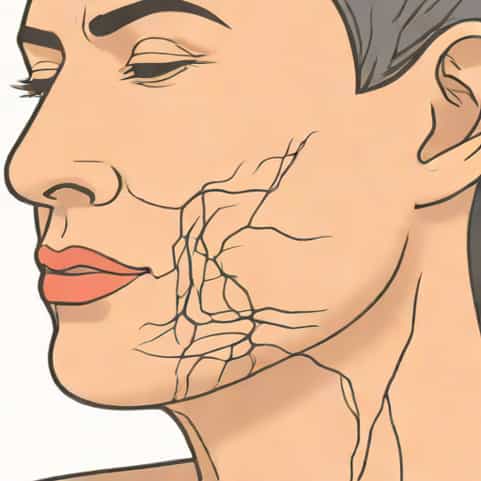
One sided jugular vein distention (JVD) is a medical condition that can be a critical indicator of underlying cardiovascular or thoracic issues. Observing a visibly distended jugular vein on only one side of the neck can signal abnormalities in blood flow, pressure, or structural problems within the veins, heart, or nearby anatomical structures. Understanding the causes, diagnosis, and potential implications of one sided jugular vein distention is essential for both medical professionals and individuals monitoring their own health, as early detection can significantly influence outcomes and treatment strategies.
Understanding Jugular Vein Distention
Jugular vein distention refers to the visible swelling of the jugular veins, which are the large veins located on either side of the neck that carry deoxygenated blood from the head back to the heart. Typically, JVD is assessed when a person is lying at a 30 to 45-degree angle. Distention is most commonly observed in the right internal jugular vein because of its direct connection to the right atrium of the heart. When only one side exhibits distention, it is referred to as one sided jugular vein distention, and it may suggest localized or systemic health issues.
Causes of One Sided Jugular Vein Distention
Several factors can lead to one sided JVD, ranging from vascular abnormalities to cardiac complications. It is important to consider the patient’s overall health, recent medical history, and other symptoms when determining the cause. Common causes include
- Superior Vena Cava ObstructionBlockage or compression of the superior vena cava can prevent normal blood flow, resulting in distention of one jugular vein.
- ThrombosisA blood clot in the jugular vein can restrict blood flow, causing unilateral swelling.
- Tricuspid Valve DisordersRight-sided heart valve issues can lead to localized venous pressure changes that may manifest as one sided JVD.
- Pulmonary HypertensionElevated pressure in the pulmonary arteries can increase the workload on the right heart, occasionally leading to unilateral vein distention.
- Masses or TumorsGrowths in the neck or thoracic region may compress a jugular vein, resulting in one sided distention.
Symptoms Associated with One Sided Jugular Vein Distention
While the visual observation of a distended jugular vein is often the primary sign, patients may experience additional symptoms depending on the underlying cause. These can include
- Neck pain or discomfort near the affected vein.
- Swelling in the face or upper extremities.
- Shortness of breath or difficulty breathing.
- Fatigue or generalized weakness.
- Pulsating sensation in the neck or head.
When to Seek Medical Attention
One sided jugular vein distention should never be ignored, as it may indicate serious health problems. Immediate medical evaluation is recommended if the distention is accompanied by chest pain, severe shortness of breath, or swelling of the face and arms. Prompt assessment can prevent complications and guide appropriate treatment, which may include medication, surgical intervention, or other therapeutic measures depending on the diagnosis.
Diagnosis of One Sided Jugular Vein Distention
Diagnosing one sided JVD involves a combination of physical examination, medical history, and imaging studies. Physicians typically begin with a visual inspection of the neck while the patient is positioned at a 30 to 45-degree angle. They may also palpate the vein to assess pulsation and pressure. To confirm the underlying cause, additional tests may be required, such as
- UltrasoundUsed to detect blood clots or obstruction in the jugular vein.
- CT or MRI ScansHelpful in identifying masses, tumors, or anatomical abnormalities.
- EchocardiographyAssesses heart function, including right atrial pressure and valve conditions.
- Blood TestsCan reveal clotting disorders or markers of cardiovascular stress.
Treatment Options
Treatment for one sided jugular vein distention varies depending on the underlying cause. In cases of venous thrombosis, anticoagulant therapy may be prescribed to dissolve the clot and restore normal blood flow. If a mass or tumor is responsible, surgical removal or oncology treatments may be required. For heart-related issues, medications to manage blood pressure, fluid retention, or valve function are commonly used. Lifestyle modifications, including reducing salt intake and monitoring fluid levels, may also support overall cardiovascular health.
Preventive Measures
- Regular cardiovascular check-ups to detect early signs of heart or vein complications.
- Maintaining a healthy weight and exercising regularly to reduce the risk of heart and vascular disease.
- Monitoring and controlling blood pressure to prevent increased venous pressure.
- Avoiding prolonged immobility, especially during long trips, to reduce the risk of clot formation.
Prognosis and Considerations
The prognosis for one sided jugular vein distention largely depends on the underlying cause. If detected early and treated appropriately, many patients recover without lasting complications. Chronic or untreated cases, particularly those related to heart disease or venous obstruction, may lead to serious consequences, including pulmonary embolism or right-sided heart failure. Regular monitoring, adherence to treatment plans, and early intervention are key to improving outcomes and reducing risks associated with one sided JVD.
Summary
One sided jugular vein distention is a significant clinical sign that requires careful evaluation to identify its cause. From vascular obstructions and blood clots to heart valve disorders and tumors, the underlying issues can range from moderate to life-threatening. Through proper diagnosis using physical examination and imaging, coupled with timely and targeted treatment, the risks associated with one sided JVD can be effectively managed. Awareness of this condition, its symptoms, and preventive strategies is crucial for maintaining vascular and cardiovascular health, making early detection and intervention essential.