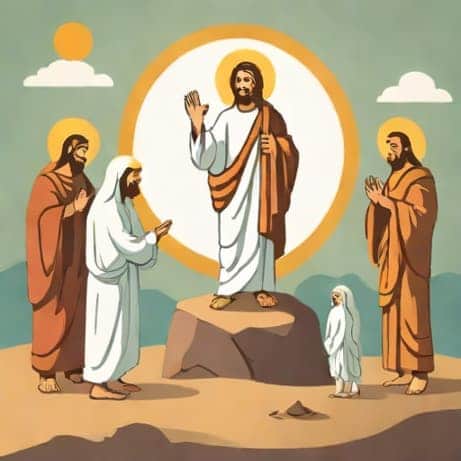
The transfiguration of Jesus is one of the most mysterious and meaningful moments in the New Testament. It stands as a turning point in the Gospel narrative, revealing Jesus not only as a teacher and healer, but as a figure filled with divine glory. This event, witnessed by a small group of disciples, offers a glimpse into Jesus’ true identity and prepares his followers for the suffering that lies ahead. By narrating the story of the transfiguration of Jesus, readers are invited to reflect on faith, transformation, and the presence of the divine within human experience.
The Setting of the Transfiguration
A Journey Up the Mountain
The story of the transfiguration of Jesus takes place after a period of intense teaching and growing tension. Jesus chooses three of his closest disciples-Peter, James, and John-and leads them up a high mountain. Mountains often symbolize places of encounter with God in biblical tradition, representing separation from ordinary life and closeness to the divine.
This journey is not presented as dramatic or public. There are no crowds or miracles performed for observers. Instead, the setting is quiet and secluded, emphasizing that what is about to happen is meant for revelation rather than spectacle.
The Moment of Transformation
Jesus Revealed in Glory
As Jesus prays on the mountain, something extraordinary occurs. His appearance changes before the eyes of the disciples. His face begins to shine, and his clothes become dazzling white, brighter than any earthly fabric could be. This moment is known as the transfiguration because Jesus’ outward form reflects his inner divine nature.
The disciples are overwhelmed by what they see. The transformation is not described in excessive detail, but the simplicity of the language emphasizes its power. It is clear that this is not an illusion or metaphor, but a real and awe-inspiring event.
The Appearance of Moses and Elijah
Connecting the Past and the Present
As the transfiguration unfolds, Moses and Elijah appear alongside Jesus. These two figures are deeply significant in Jewish tradition. Moses represents the Law, while Elijah represents the prophets. Their presence symbolizes the fulfillment of God’s promises through Jesus.
The three figures speak together, though the Gospels do not record the full conversation. What is clear is that they discuss what lies ahead for Jesus, including his suffering and death. This moment connects the long history of faith with the mission Jesus is about to complete.
Peter’s Reaction
A Human Response to Divine Mystery
Overwhelmed and unsure how to respond, Peter speaks. He suggests building shelters for Jesus, Moses, and Elijah, as if to preserve the moment and make it permanent. His reaction reflects a very human desire to hold on to experiences of beauty and clarity.
Peter’s words are not meant to be disrespectful. Instead, they show confusion mixed with devotion. He recognizes that something sacred is happening, but he does not yet understand its full meaning.
The Voice from the Cloud
God’s Affirmation
As Peter speaks, a bright cloud covers them, and a voice comes from the cloud. The voice declares Jesus as God’s beloved Son and commands the disciples to listen to him. This divine affirmation echoes earlier moments in Jesus’ life, such as his baptism.
The voice from the cloud shifts the focus back to Jesus alone. Moses and Elijah fade from view, leaving Jesus standing with his disciples. This moment reinforces Jesus’ authority and role as the central figure of faith.
The Fear and Silence of the Disciples
Overcome by Awe
The disciples fall to the ground in fear. The experience is beyond their understanding, challenging their expectations and beliefs. Jesus approaches them gently, telling them not to be afraid. His touch and words restore calm, reminding them that divine encounters do not erase compassion.
As they descend the mountain, Jesus instructs them not to tell anyone what they have seen until after his resurrection. This command adds to the mystery, suggesting that the meaning of the transfiguration can only be fully understood later.
The Meaning of the Transfiguration
A Glimpse of Divine Identity
The transfiguration of Jesus reveals his divine nature while he is still fully human. It shows that his coming suffering is not a sign of failure, but part of a greater purpose. This moment offers reassurance that light and glory exist even in the shadow of the cross.
For believers, the transfiguration is a reminder that faith often involves moments of clarity followed by periods of uncertainty. The disciples experience both awe and confusion, reflecting the complex journey of belief.
Symbolism in the Story
Light, Cloud, and Mountain
The elements of the transfiguration story carry deep symbolic meaning. Light represents truth and divine presence. The cloud signifies mystery and God’s nearness. The mountain serves as a place of encounter and revelation.
- The shining face represents divine glory
- The cloud symbolizes God’s presence
- The mountain reflects spiritual elevation
These symbols help readers understand the event not only as history, but as a spiritual message.
The Transfiguration in the Gospels
Different Voices, One Message
The transfiguration of Jesus is recorded in three Gospels Matthew, Mark, and Luke. Each account has slight differences in emphasis, but all agree on the central elements. Together, they present a consistent picture of transformation, divine affirmation, and preparation for what lies ahead.
These multiple perspectives strengthen the importance of the event within the Gospel narrative, showing that it was deeply remembered by the early Christian community.
Lessons from the Transfiguration
Transformation and Listening
One of the key messages of the transfiguration is the call to listen to Jesus. The voice from the cloud directs attention not to the spectacle, but to his teachings and example. This emphasizes obedience, trust, and spiritual attentiveness.
The story also speaks to personal transformation. Just as Jesus is revealed in glory, believers are invited to seek inner change through faith, prayer, and compassion.
The Transfiguration and the Journey Ahead
From Glory to Sacrifice
After the transfiguration, Jesus continues toward Jerusalem, where suffering awaits him. The moment on the mountain does not remove hardship, but it provides strength and clarity. For the disciples, it becomes a memory that later helps them understand the resurrection.
The transfiguration of Jesus stands as a bridge between revelation and sacrifice, reminding readers that moments of light often prepare us for challenging paths.
Why the Story Still Matters
A Timeless Narrative of Hope
Narrating the story of the transfiguration of Jesus allows modern readers to connect with a timeless message. It speaks of divine presence in human life, of transformation through faith, and of hope beyond suffering.
This story continues to inspire reflection, encouraging readers to listen deeply, remain faithful in uncertainty, and recognize moments of transformation in their own spiritual journeys.