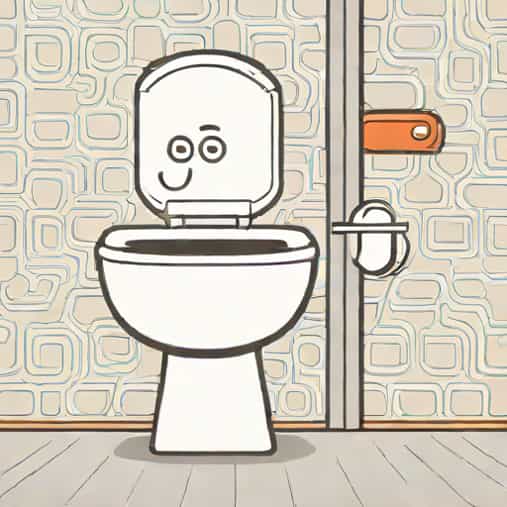
Ren was the kind of character who never fit neatly into expectations. From an early age, Ren showed a strange but charming sense of humor that mixed wild imagination, exaggerated reactions, and an unapologetic love for toilet jokes. While some people might dismiss this kind of humor as childish or silly, for Ren it was a way to connect with others, release stress, and embrace a form of creativity that did not follow rules. Ren and loved toilet jokes and craziness became a phrase friends used to describe not just a sense of humor, but an entire personality built on spontaneity and laughter.
The Origins of Ren’s Love for Toilet Jokes
Ren’s fascination with toilet jokes did not come from trying to shock people, but from a genuine enjoyment of simple humor. As a child, Ren discovered that jokes about everyday bodily functions made people laugh regardless of age or background. There was something universal about it. Everyone understood it, and everyone had experienced it.
This type of humor felt honest and unfiltered. For Ren, toilet jokes were not about being crude, but about breaking down social barriers. When people laughed together at something silly, it created a shared moment of joy.
Finding Humor in the Ordinary
One reason Ren loved toilet jokes so much was their connection to daily life. Bathrooms, toilets, and awkward moments are part of being human. Ren believed that laughing at these shared experiences made life less serious and more manageable.
Instead of avoiding embarrassing topics, Ren leaned into them, turning discomfort into comedy and awkwardness into entertainment.
Craziness as a Form of Expression
Ren’s craziness went far beyond jokes. It showed up in storytelling, facial expressions, sound effects, and sudden bursts of energy. This unpredictability kept conversations lively and made people curious about what would happen next.
Ren and loved toilet jokes and craziness were closely connected. The jokes were often delivered with exaggerated voices, dramatic pauses, and over-the-top reactions. This theatrical style turned even the simplest joke into a memorable performance.
Breaking Social Norms Through Humor
Many social rules exist to maintain order, but Ren believed that humor was a safe way to bend those rules. Toilet jokes challenged ideas of what was considered polite conversation, but they also reminded people not to take themselves too seriously.
Ren’s craziness gave others permission to relax and laugh without fear of judgment.
Why People Laughed With Ren
Despite the unconventional humor, people were drawn to Ren. The laughter was genuine, not forced. Ren never used toilet jokes to embarrass others, only to create shared amusement.
Friends often said that Ren’s humor felt refreshing in a world filled with stress and pressure. The craziness acted as a release valve, offering moments of lightness during difficult days.
- Humor that felt inclusive rather than offensive
- Energy that lifted the mood of the room
- Willingness to laugh at oneself
The Psychology Behind Silly Humor
Psychologists often note that silly humor, including toilet jokes, can reduce anxiety and improve social bonding. Ren may not have studied psychology, but instinctively understood its effects.
Laughing at simple, ridiculous topics activates positive emotions and reduces tension. Ren’s craziness created a safe space where people could momentarily forget their worries.
Humor as Emotional Coping
For Ren, humor was also a coping mechanism. When life became overwhelming, making jokes helped regain a sense of control. Toilet jokes, in particular, stripped situations of seriousness and made problems feel smaller.
This approach did not solve every issue, but it made challenges easier to face.
Criticism and Misunderstanding
Not everyone appreciated Ren’s humor. Some people viewed toilet jokes as immature or inappropriate. Ren understood these reactions but chose not to change.
Rather than arguing, Ren accepted that humor is subjective. What matters is intention, and Ren’s intention was always to bring laughter, not discomfort.
Staying Authentic
Ren believed that pretending to be someone else to fit in would be more uncomfortable than any awkward joke. Staying authentic meant embracing both the love for toilet jokes and the natural craziness.
This authenticity eventually earned respect, even from those who did not share the same sense of humor.
Ren’s Influence on Friends and Community
Over time, Ren’s humor influenced others. Friends became more open, playful, and willing to joke about things they once avoided. Laughter became a regular part of group interactions.
Ren and loved toilet jokes and craziness turned into a shared culture among friends, symbolizing freedom from overthinking and unnecessary seriousness.
Creating Memorable Moments
Some of the most memorable moments involved spontaneous jokes, unexpected punchlines, and laughter that lasted long after the joke ended. These moments strengthened friendships and created lasting memories.
People often remembered how they felt around Ren more than the jokes themselves.
Humor Across Different Ages
Interestingly, Ren noticed that toilet jokes appealed to a wide age range. Children laughed openly, teenagers appreciated the rebellion, and adults often laughed with a sense of nostalgia.
This cross-generational appeal reinforced Ren’s belief that silly humor connects people at a basic human level.
The Balance Between Craziness and Respect
While Ren embraced craziness, there was always an awareness of boundaries. Ren paid attention to context and audience, adjusting tone when necessary.
This balance ensured that humor remained joyful rather than disruptive. It showed that loving toilet jokes does not mean ignoring empathy or respect.
Why This Kind of Humor Still Matters
In a world that often values productivity and seriousness, Ren’s approach served as a reminder that joy can come from the simplest things. Toilet jokes and craziness challenged the idea that humor must always be clever or sophisticated.
Sometimes, laughter is most powerful when it is simple, honest, and shared freely.
Ren and loved toilet jokes and craziness was more than a description of humor; it was a way of living. Through silly jokes, exaggerated behavior, and fearless self-expression, Ren created spaces filled with laughter and connection. While not everyone appreciated this style, those who did found comfort, relief, and genuine joy. Ren’s story shows that humor, no matter how simple or unconventional, can be a powerful force for bringing people together and reminding them to enjoy the lighter side of life.