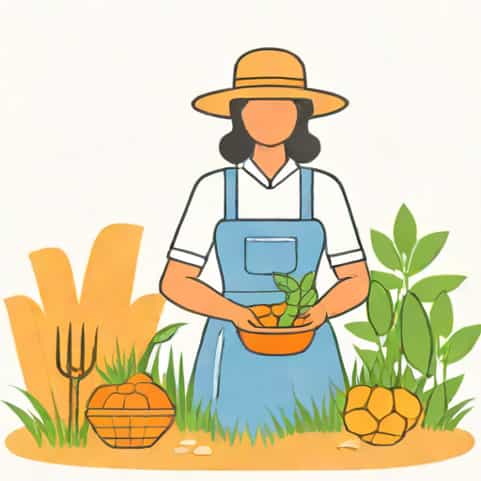
Agrarian societies have shaped human civilization for thousands of years, and within these societies, women have always played essential yet often underrecognized roles. From early farming communities to traditional rural villages, women have contributed not only to food production but also to family stability, cultural continuity, and local economies. The role of women in agrarian society goes far beyond working in the fields; it includes managing households, preserving seeds, transmitting knowledge, and sustaining social networks that allow agricultural life to function. Understanding these roles provides a more complete picture of how agrarian societies survive and evolve.
Women as Agricultural Workers
One of the most visible roles of women in agrarian society is their participation in agricultural labor. In many regions, women are actively involved in planting, weeding, harvesting, and post-harvest processing. Their work often begins early in the morning and continues throughout the day, especially during peak farming seasons.
Unlike mechanized farming systems, traditional agrarian societies rely heavily on manual labor. Women’s physical effort and endurance are critical to maintaining crop productivity. In subsistence farming communities, women’s agricultural labor directly affects household food security and survival.
Crop Production and Food Security
Women frequently manage small plots of land used for household consumption. These plots often grow vegetables, legumes, and grains that provide essential nutrients. By diversifying crops, women reduce the risk of food shortages and help families cope with climate uncertainty.
Seed Selection and Agricultural Knowledge
Another important aspect of the role of women in agrarian society is their involvement in seed selection and preservation. Over generations, women have developed deep knowledge about soil conditions, planting cycles, and crop varieties. This knowledge is passed down through daily practice rather than written records.
Women often choose seeds based on taste, resistance to pests, and adaptability to local conditions. This careful selection contributes to biodiversity and strengthens agricultural resilience. In many agrarian societies, women are the guardians of traditional farming knowledge.
Intergenerational Knowledge Transfer
Through observation and participation, young girls learn farming skills from mothers and grandmothers. This informal education ensures continuity and preserves local agricultural traditions that might otherwise disappear.
Role of Women in Household Management
In agrarian societies, the boundary between household and farm is often blurred. Women play a central role in managing household resources, including food storage, water collection, and fuel management. These responsibilities are closely linked to agricultural productivity.
Women decide how harvested crops are stored, consumed, or sold. Their decisions affect nutrition, economic stability, and long-term planning. This invisible labor is essential to sustaining agrarian life.
Balancing Farm and Family Responsibilities
Women in agrarian society often balance multiple roles at once. In addition to farm work, they care for children, the elderly, and sick family members. This balancing act requires time management skills and emotional resilience.
Economic Contributions and Local Markets
The economic role of women in agrarian society extends beyond subsistence farming. Many women participate in local markets by selling surplus crops, dairy products, or handmade goods. This income, though often small, provides families with cash for education, healthcare, and emergencies.
In some communities, women control the earnings from these activities, giving them a degree of financial independence. Their participation in informal economies strengthens local trade networks and community cooperation.
- Selling vegetables, grains, or fruits in local markets
- Processing food products such as flour or dairy
- Managing small-scale home-based enterprises
Social and Cultural Roles
Beyond economic and agricultural functions, women hold important social roles in agrarian society. They are often responsible for maintaining cultural traditions, rituals, and social norms related to farming cycles. Seasonal festivals, planting ceremonies, and harvest celebrations frequently depend on women’s participation.
Women also serve as caregivers and community connectors. Their social networks facilitate cooperation during planting and harvesting, reinforcing mutual support systems that are vital in agrarian environments.
Community Leadership and Influence
While formal leadership positions may be dominated by men, women often exercise influence through informal channels. Their advice on family matters, farming practices, and conflict resolution is valued within the community.
Challenges Faced by Women in Agrarian Society
Despite their significant contributions, women in agrarian societies face numerous challenges. Limited access to land ownership, credit, education, and technology restricts their potential. In many regions, legal and cultural barriers prevent women from owning or inheriting land.
These limitations reduce women’s decision-making power and economic security. Heavy workloads, combined with limited recognition, often result in physical exhaustion and health issues.
Gender Inequality in Resource Access
Women frequently have less access to modern farming tools, training, and financial support. Addressing these inequalities could significantly improve agricultural productivity and household well-being.
Impact of Modernization on Women’s Roles
Modernization and technological change have altered the role of women in agrarian society in complex ways. Mechanization can reduce physical labor, but it may also marginalize women if they are excluded from training and equipment ownership.
Migration of men to urban areas has increased women’s responsibilities in rural regions. In many cases, women now manage farms independently, making decisions once reserved for men.
Women and Sustainable Agriculture
Women play a crucial role in promoting sustainable agricultural practices. Their focus on crop diversity, soil health, and resource conservation aligns with long-term environmental sustainability. Traditional methods preserved by women often prove effective in adapting to climate change.
Supporting women farmers can lead to more sustainable food systems that benefit entire communities.
The role of women in agrarian society is multifaceted and indispensable. From agricultural labor and seed preservation to household management and cultural leadership, women sustain the foundation of rural life. Despite facing persistent challenges and inequalities, their knowledge and resilience continue to support food security and community stability. Recognizing and empowering women in agrarian societies is not only a matter of social justice but also a key step toward sustainable agricultural development and long-term human well-being.