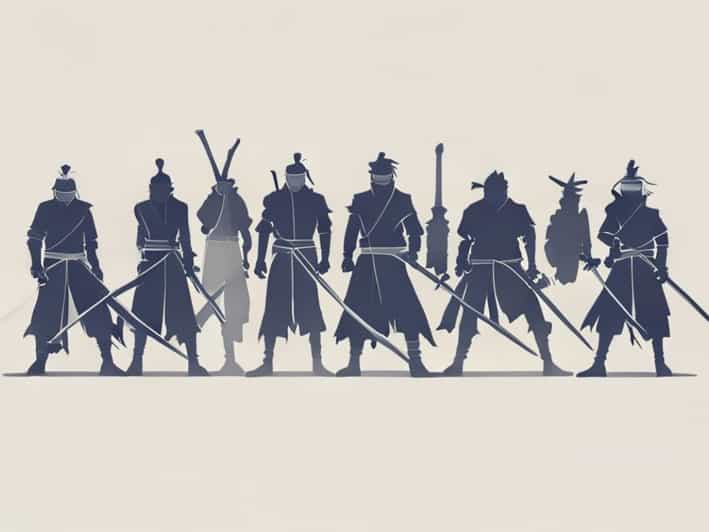
The Seven Ninja Swordsmen of the Mist are one of the most iconic and feared groups in the Naruto universe, and their legacy continues to echo strongly in Boruto. Originating from Kirigakure, the Hidden Mist Village, this group is known for its brutal combat style, unique weapons, and dark history. In Boruto, the story revisits the Seven Ninja Swordsmen of the Mist not only as legends, but as symbols of how the ninja world struggles between honoring tradition and moving toward a more peaceful future.
The Origin of the Seven Ninja Swordsmen of the Mist
The Seven Ninja Swordsmen of the Mist were elite shinobi chosen to wield seven legendary swords, each with terrifying abilities. These swords were designed to dominate close-range combat and overwhelm enemies through raw power, regeneration, or strange chakra effects.
Kirigakure itself had a violent past, often referred to as the Bloody Mist era. During this time, strength was valued above all else, and the Seven Ninja Swordsmen represented the peak of that ruthless philosophy.
The Seven Legendary Swords
Each sword carried by the Seven Ninja Swordsmen of the Mist has a unique identity and fighting style. Together, they form the backbone of the group’s fearsome reputation.
- Samehada – a living sword that absorbs chakra
- Zabuza’s Kubikiribocho – a massive blade that regenerates using blood
- Hiramekarei – twin swords that mold chakra into weapons
- Nuibari – a needle-like sword with a wire
- Shibuki – an explosive sword
- Kiba – twin lightning-infused blades
- Kabutowari – a hammer and axe combination
The Legacy Moving Into Boruto
In Boruto, the Seven Ninja Swordsmen of the Mist are no longer just historical figures. Their influence continues as new characters attempt to revive the group, either out of admiration or a desire to reclaim the old power of Kirigakure.
The Boruto series presents a more modern Hidden Mist Village, one that has largely abandoned the cruelty of its past. This contrast creates tension when the legend of the Seven Ninja Swordsmen resurfaces.
The New Generation and Old Ideals
One of Boruto’s key themes is the clash between generations. The Seven Ninja Swordsmen of the Mist represent an older era where violence and fear ruled. Younger shinobi question whether such methods still belong in the modern ninja world.
This conflict is especially visible when new sword bearers emerge, inspired by the legend but often lacking the moral restraint needed to wield such power responsibly.
The Role of Kagura Karatachi
Kagura Karatachi plays a central role in Boruto’s exploration of the Seven Ninja Swordsmen of the Mist. As the grandson of the Fourth Mizukage, Kagura carries the burden of Kirigakure’s dark history.
Unlike previous swordsmen, Kagura seeks to protect others rather than dominate them. His relationship with Hiramekarei reflects a shift in how the legendary swords are used.
Hiramekarei as a Symbol of Change
Hiramekarei responds to the user’s chakra, forming weapons based on intent. In Kagura’s hands, it becomes a symbol of balance rather than destruction.
This reflects Boruto’s broader message that power itself is not evil, but the intent behind it matters deeply.
The Seven Ninja Swordsmen as Antagonists in Boruto
In Boruto, several antagonists attempt to revive the Seven Ninja Swordsmen of the Mist as a force of terror. These characters often misunderstand the legacy they idolize.
Rather than representing true strength, they chase fear and chaos, believing that brutality will restore Kirigakure’s reputation.
Why the Revival Fails
The attempted revival of the Seven Ninja Swordsmen of the Mist in Boruto ultimately fails because the world has changed. Villages now value cooperation over domination.
Modern shinobi, including Boruto and his friends, are trained to think beyond blind loyalty and violence.
Comparison With Naruto Era Swordsmen
Fans often compare the Seven Ninja Swordsmen of the Mist in Boruto to those from Naruto, such as Zabuza Momochi and Kisame Hoshigaki. These earlier characters were shaped by war and survival.
In contrast, Boruto-era sword bearers grow up in relative peace, making it harder to justify the extreme methods of the past.
Strength Versus Purpose
In Naruto, strength often meant survival. In Boruto, strength is questioned if it lacks purpose or compassion.
This shift gives the Seven Ninja Swordsmen of the Mist a more reflective role, encouraging viewers to reconsider what it truly means to be powerful.
The Symbolism of the Seven Swords
The seven swords themselves act as symbols throughout Boruto. They represent history, responsibility, and temptation.
Wielding one of these blades is not just about combat ability; it is about carrying the weight of past bloodshed.
Weapons That Test Their Users
Many of the swords demand something from their users, whether it is chakra, stamina, or emotional control. This creates a test of character, not just skill.
Boruto emphasizes that not everyone deserves to wield such weapons, no matter how strong they are.
The Seven Ninja Swordsmen in Boruto’s Themes
The Seven Ninja Swordsmen of the Mist fit perfectly into Boruto’s exploration of peace, legacy, and responsibility. They challenge the idea that traditions should be preserved without question.
The series asks whether honoring the past means repeating it or learning from it.
Fan Reception and Cultural Impact
Fans of Boruto often view the Seven Ninja Swordsmen of the Mist as a nostalgic bridge to Naruto. Their return sparks excitement while also highlighting how much the ninja world has changed.
The group remains popular because each sword and swordsman tells a story of ambition, failure, and consequence.
The Future of the Seven Ninja Swordsmen of the Mist
As Boruto continues, the Seven Ninja Swordsmen of the Mist may reappear in new forms, possibly as mentors, symbols, or cautionary tales.
Rather than being villains, they may serve as reminders of what happens when power is pursued without wisdom.
The Seven Ninja Swordsmen of the Mist in Boruto represent more than legendary fighters with deadly weapons. They embody the struggle between past violence and present peace. Through characters like Kagura and the conflicts surrounding the swords, Boruto redefines their meaning for a new generation. Instead of glorifying brutality, the series uses the Seven Ninja Swordsmen to show that true strength lies in restraint, responsibility, and the courage to change. Their legacy remains powerful, but it is no longer defined by fear alone.