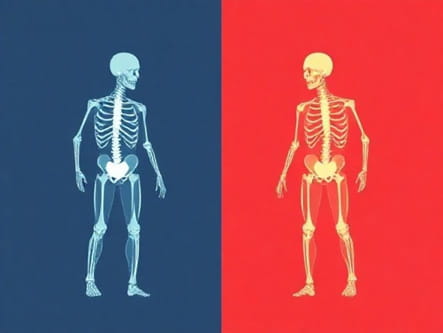
Arthritis is a common condition that affects millions of people worldwide, causing joint pain, stiffness, and reduced mobility. However, not all arthritis is the same. The two most common forms, osteoarthritis and rheumatoid arthritis, differ significantly in their causes, symptoms, progression, and treatment options. Understanding these differences is crucial for accurate diagnosis, effective management, and improved quality of life for those living with joint issues. This topic explores the key distinctions between osteoarthritis and rheumatoid arthritis, offering a comprehensive guide for patients, caregivers, and anyone interested in joint health.
Understanding Osteoarthritis
Osteoarthritis (OA) is the most common form of arthritis, affecting millions of adults, particularly older individuals. It is a degenerative joint disease that occurs when the cartilage cushioning the ends of bones gradually wears away. This loss of cartilage leads to bone-on-bone friction, causing pain, swelling, stiffness, and limited range of motion. Osteoarthritis can affect any joint, but it most commonly involves the knees, hips, hands, and spine.
Causes of Osteoarthritis
Osteoarthritis is primarily caused by wear and tear over time, although other factors can contribute
- AgeThe risk of OA increases with age due to natural cartilage deterioration.
- Joint injuryPast injuries or repetitive stress on joints can accelerate cartilage damage.
- GeneticsFamily history can play a role in susceptibility to OA.
- ObesityExcess body weight puts additional stress on weight-bearing joints.
- GenderWomen are more likely to develop OA, particularly after menopause.
Symptoms of Osteoarthritis
Osteoarthritis symptoms often develop gradually and may include
- Joint pain that worsens with activity and improves with rest.
- Stiffness, especially in the morning or after periods of inactivity.
- Swelling or tenderness around the affected joint.
- Limited flexibility or range of motion.
- Crepitus, or a grating sensation during joint movement.
Understanding Rheumatoid Arthritis
Rheumatoid arthritis (RA) is an autoimmune disease in which the immune system mistakenly attacks the body’s own joint tissues, particularly the synovium, a thin membrane that lines joints. Unlike osteoarthritis, which is caused by mechanical wear, RA results from inflammation triggered by an immune response. This chronic inflammation can damage cartilage and bone, leading to joint deformity, loss of function, and systemic symptoms that affect multiple organs in the body.
Causes of Rheumatoid Arthritis
The exact cause of RA is not fully understood, but several factors may contribute to its development
- GeneticsCertain genes increase susceptibility to autoimmune responses.
- Immune system dysfunctionThe immune system attacks joint tissues instead of protecting them.
- Environmental factorsInfections, smoking, and exposure to certain toxins may trigger RA in genetically predisposed individuals.
- GenderWomen are two to three times more likely to develop RA than men.
Symptoms of Rheumatoid Arthritis
RA symptoms often appear gradually but can also flare up suddenly. Common signs include
- Joint pain, swelling, and warmth, often symmetrical (affecting both sides of the body).
- Morning stiffness lasting an hour or more.
- Fatigue, fever, and malaise due to systemic inflammation.
- Joint deformities over time, especially in the hands and feet.
- Extra-articular symptoms, including nodules under the skin and organ involvement in severe cases.
Key Differences Between Osteoarthritis and Rheumatoid Arthritis
While both osteoarthritis and rheumatoid arthritis involve joint pain and stiffness, their underlying mechanisms, progression, and treatment approaches differ
Cause
Osteoarthritis is caused by mechanical wear and tear on joints over time, whereas rheumatoid arthritis is an autoimmune condition in which the immune system attacks joint tissues.
Onset
OA typically develops gradually, often in older adults, while RA can occur at any age, including in young adults, and may develop suddenly or with fluctuating intensity.
Joint Involvement
OA usually affects individual joints asymmetrically, often weight-bearing ones like knees and hips. RA tends to be symmetrical, affecting the same joints on both sides of the body, such as hands, wrists, and feet.
Inflammation
Inflammation in OA is generally mild and localized, whereas RA involves significant, systemic inflammation that can affect multiple organs.
Symptoms
OA is characterized by joint pain during activity, stiffness after inactivity, and crepitus. RA involves persistent pain, swelling, warmth, prolonged morning stiffness, fatigue, and potential systemic symptoms.
Progression
Osteoarthritis progresses slowly as cartilage deteriorates. Rheumatoid arthritis can progress rapidly, causing joint deformities and functional limitations without proper treatment.
Diagnosis
OA is usually diagnosed through clinical evaluation, imaging tests like X-rays, and sometimes MRI to assess cartilage loss. RA diagnosis may involve blood tests to detect rheumatoid factor (RF), anti-CCP antibodies, and markers of inflammation such as ESR or CRP, in addition to imaging studies.
Treatment Approaches
Treatment for osteoarthritis and rheumatoid arthritis differs because of their distinct causes
Osteoarthritis Management
- Weight management and low-impact exercise to reduce joint stress.
- Physical therapy to improve flexibility and strength.
- Pain relief with over-the-counter medications like acetaminophen or NSAIDs.
- Joint injections with corticosteroids or hyaluronic acid in severe cases.
- Surgery, such as joint replacement, for advanced joint damage.
Rheumatoid Arthritis Management
- Medications to suppress the immune system, including DMARDs (disease-modifying antirheumatic drugs) and biologics.
- NSAIDs and corticosteroids to reduce inflammation and pain.
- Regular monitoring and early intervention to prevent joint damage.
- Physical and occupational therapy to maintain joint function.
- In severe cases, surgical options to repair or replace damaged joints.
Living with Arthritis
Both osteoarthritis and rheumatoid arthritis require ongoing management and lifestyle adjustments. Patients are encouraged to maintain regular physical activity, eat a balanced diet, manage weight, and follow medical advice to minimize pain and preserve joint function. Support from healthcare providers, family, and patient communities can also enhance quality of life.
Understanding the difference between osteoarthritis and rheumatoid arthritis is essential for effective diagnosis and management. Osteoarthritis is primarily a degenerative joint condition caused by wear and tear, while rheumatoid arthritis is an autoimmune disease characterized by systemic inflammation and joint destruction. Recognizing the distinctions in causes, symptoms, progression, and treatment options helps patients and healthcare providers make informed decisions, improving outcomes and preserving mobility. Awareness and early intervention remain key in managing both types of arthritis, ensuring that individuals can maintain an active and fulfilling life despite joint challenges.