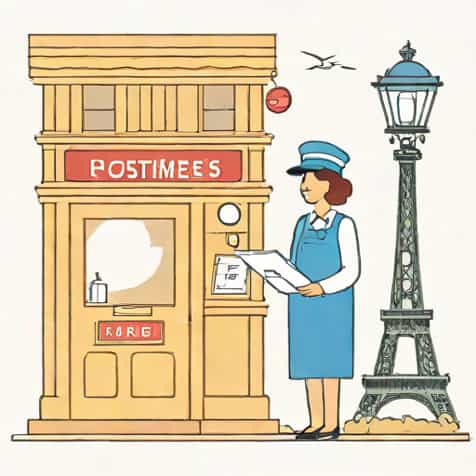
The Postmistress of Paris is a novel that has garnered attention for its evocative storytelling, richly drawn characters, and vivid portrayal of wartime Paris. Readers have praised the book for capturing both the everyday life and the extraordinary circumstances of its setting, weaving a narrative that is both intimate and expansive. As reviews continue to surface, it becomes clear that the novel resonates with audiences seeking historical depth, emotional complexity, and an engaging plot that combines mystery, personal growth, and the resilience of the human spirit. Examining these reviews provides insight into why this book has become a noteworthy addition to contemporary historical fiction.
Plot Overview
The novel centers around the life of a postmistress in Paris during a period of great upheaval. Through her eyes, readers witness the interplay between ordinary routines and the extraordinary challenges posed by the political and social climate of the time. The narrative explores her interactions with the community, the impact of war on personal relationships, and the ways in which letters and communication play a vital role in connecting people across distances. This balance between personal and historical perspective has been highlighted as a key strength in reviews.
Character Development
One of the most frequently praised aspects of the book is its character development. The postmistress is portrayed as a multi-dimensional figure, navigating her professional responsibilities while dealing with personal fears, hopes, and moral dilemmas. Supporting characters are also given attention, from colleagues and townspeople to travelers and military personnel, creating a web of relationships that enriches the story. Reviewers often note how the author successfully brings these characters to life, making readers invested in their journeys and outcomes.
Historical Accuracy and Setting
Reviewers have consistently highlighted the novel’s attention to historical detail. The setting of Paris is rendered with care, from bustling streets and intimate cafes to the postal system and wartime challenges. The author’s research into the period is evident, with references to daily life, social norms, and political realities that add authenticity without overwhelming the narrative. Many readers have expressed appreciation for the way the historical context enhances the story, providing a backdrop that is both educational and immersive.
The Role of Letters
A central theme in the novel is the importance of letters and written communication. The postmistress’s work serves as a conduit for the exchange of information, secrets, and emotional expressions, connecting characters in meaningful ways. Reviews frequently mention how this focus on letters adds a layer of intimacy and tension to the narrative, creating moments of suspense, revelation, and heartfelt emotion. Readers enjoy seeing how the act of writing and delivering letters becomes a narrative device that drives the story forward.
Emotional Impact
Another aspect highlighted in reviews is the emotional resonance of the book. The novel captures a range of human experiences, from love and friendship to fear, loss, and resilience. Readers have commented on the way the story elicits empathy, encouraging them to reflect on the challenges faced by individuals during times of crisis. The postmistress’s perspective provides a lens through which readers can experience both the small joys and the profound sorrows of life in wartime Paris.
Themes of Resilience and Courage
The novel also emphasizes resilience and courage, portraying characters who navigate adversity with determination and moral conviction. Reviewers often note that this focus on personal strength and ethical decision-making makes the story both inspiring and relatable. The postmistress, in particular, serves as a symbol of perseverance, demonstrating how ordinary people can make a significant impact through acts of kindness, honesty, and bravery.
Writing Style and Narrative Structure
The writing style of The Postmistress of Paris has been described as elegant, engaging, and accessible. The author blends descriptive passages with dialogue and action, creating a rhythm that maintains reader interest. Reviews highlight the careful pacing, which allows the story to unfold gradually while building suspense and emotional depth. The narrative structure, often interweaving multiple perspectives or timelines, has been praised for adding complexity and richness without causing confusion.
Use of Imagery
Imagery is another element frequently mentioned in reviews. The author employs vivid descriptions of the city, natural surroundings, and everyday objects, allowing readers to visualize scenes clearly and immerse themselves in the atmosphere. This use of imagery not only enhances the aesthetic appeal of the novel but also reinforces thematic elements, such as the contrast between ordinary life and extraordinary circumstances or the fleeting moments of beauty amid hardship.
Critiques and Observations
While most reviews are positive, some readers have noted areas where the novel could be stronger. A few critiques mention that certain plot points or character arcs feel predictable or could have been developed further. Others suggest that the pacing, though generally effective, occasionally slows in sections with extensive historical detail. However, these critiques are often tempered by acknowledgment of the book’s overall strengths, including character depth, historical authenticity, and emotional impact.
Comparisons to Other Works
Reviewers sometimes compare The Postmistress of Paris to other historical fiction set during similar periods, noting its unique focus on the postal system and the perspective of a female protagonist managing personal and professional challenges. This comparison highlights the novel’s originality and the fresh lens it brings to familiar historical contexts. Many readers appreciate this distinct angle, as it offers a different kind of insight into life during wartime Paris.
Reader Reception
Overall, reader reception has been favorable. Online reviews, book clubs, and literary discussions frequently emphasize the story’s emotional resonance, immersive setting, and relatable characters. Many readers report feeling a deep connection to the postmistress, appreciating her combination of vulnerability, strength, and compassion. The novel’s ability to elicit empathy and transport readers to another time and place has contributed to its popularity and positive critical response.
Highlights from Reviews
- Rich historical detail that brings Paris to life during a tumultuous period.
- Complex, relatable protagonist whose personal journey captivates readers.
- Use of letters as a narrative device that adds intimacy and suspense.
- Engaging writing style that balances description, dialogue, and action.
- Thematic depth exploring resilience, courage, and human connection.
The Postmistress of Paris has garnered attention for its compelling storytelling, richly developed characters, and vivid depiction of wartime Paris. Reviews consistently praise the novel for blending historical accuracy with emotional depth, offering readers both entertainment and insight. Themes of resilience, courage, and human connection resonate throughout the narrative, while the focus on letters and communication provides a unique perspective on the era. Although some readers note minor areas for improvement, the overall reception underscores the novel’s ability to engage, move, and inspire. For anyone interested in historical fiction that combines personal stories with broader social context, The Postmistress of Paris offers a memorable and enriching reading experience.