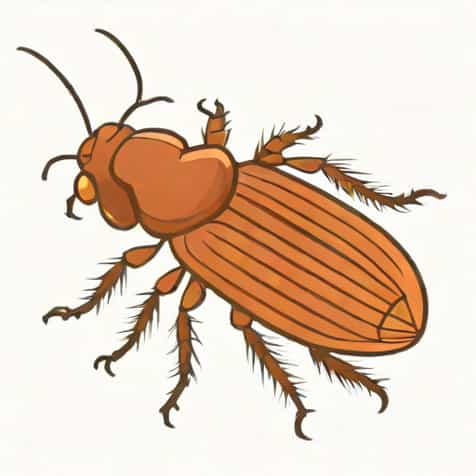
The scientific name of cockroach is a topic that draws interest for both entomologists and curious individuals alike, due to the fascinating biology and diversity of this resilient insect. Cockroaches are members of the order Blattodea, a group that encompasses a wide variety of species with unique adaptations for survival. Understanding the scientific classification of cockroaches provides insight into their evolutionary history, ecological significance, and their interactions with humans. From the common household cockroach to exotic species found in tropical forests, each type has a specific scientific name that helps researchers categorize and study them systematically. This knowledge is crucial for pest management, biodiversity studies, and ecological research, highlighting the importance of scientific nomenclature in understanding one of the planet’s most ancient and adaptable insects.
Overview of Cockroach Classification
Cockroaches belong to the order Blattodea, which also includes termites, reflecting their evolutionary relationship. Within this order, there are approximately 4,600 recognized species worldwide, each adapted to different environments ranging from tropical forests to urban homes. The scientific classification of cockroaches follows the binomial nomenclature system, consisting of a genus name followed by a species name, which allows scientists to accurately identify and differentiate between species. This system, developed by Carl Linnaeus, ensures a standardized method for naming organisms and studying their biology.
Common Species and Their Scientific Names
Some of the most familiar cockroach species found in human habitats include
- Periplaneta americanaCommonly known as the American cockroach, this species is large, reddish-brown, and often found in warm, damp environments such as basements, sewers, and kitchens.
- Blattella germanicaKnown as the German cockroach, it is smaller, light brown, and highly prolific, commonly infesting homes, restaurants, and hotels worldwide.
- Blatta orientalisThe Oriental cockroach, dark in color and slower-moving, is often found in damp, cool areas such as basements and drains.
- Supella longipalpaThe Brown-banded cockroach, which is smaller and prefers warmer, drier locations like furniture, ceilings, and electronics.
Each species has unique behavioral and ecological characteristics, making scientific names essential for accurate identification, study, and pest control management.
Importance of Scientific Naming
Using the scientific name of cockroach is more than a formality; it is crucial for communication among scientists and for organizing biological knowledge. Common names can vary by region and language, which may lead to confusion. For example, the term water bug is sometimes incorrectly used to refer to cockroaches, while it actually refers to a different type of insect. By employing scientific nomenclature, researchers can avoid misidentification, accurately track species distribution, and share research findings globally.
Benefits in Research and Pest Control
- Facilitates ecological and evolutionary studies by providing a standardized classification system.
- Enables accurate monitoring of cockroach populations in urban and natural environments.
- Supports the development of targeted pest management strategies specific to the species.
- Enhances understanding of disease transmission, as certain cockroach species are known vectors of pathogens.
Scientific names allow entomologists and public health professionals to communicate clearly and effectively when addressing issues related to cockroach infestations, biodiversity conservation, or laboratory research.
Evolutionary History of Cockroaches
Cockroaches are among the oldest living insects on Earth, with fossil records dating back more than 300 million years. The evolutionary adaptations of cockroaches, including their flattened bodies, rapid reproduction, and omnivorous diet, have contributed to their survival across diverse habitats. The use of scientific names helps trace evolutionary relationships among species and understand how certain traits have developed over time. Modern cockroaches share ancestral characteristics with early insects, and studying them provides insight into insect evolution and adaptation mechanisms.
Phylogenetic Relationships
Scientific classification also clarifies the phylogenetic relationships between cockroaches and other insects. Molecular studies show that termites (order Isoptera) are closely related to cockroaches, leading to the reclassification of termites within Blattodea. This discovery highlights the importance of genetic and morphological analysis in accurately naming and understanding species. By using scientific names, researchers can organize evolutionary data systematically and make predictions about species behavior, ecology, and genetics.
Cockroach Identification and Scientific Names
Identification of cockroach species relies on physical characteristics, habitat preference, and behavior. Key features include body size, color, wing structure, and patterns on the thorax. Once identified, the species is referred to by its scientific name, providing a universal identifier for research, reporting, and management purposes. Scientific names are especially important in urban pest control, as different species may require specific approaches for eradication and prevention.
Practical Applications of Scientific Naming
- Pest control professionals use scientific names to select appropriate insecticides and treatment strategies.
- Researchers study disease vectors, as certain species are associated with allergies, asthma, and bacterial transmission.
- Biodiversity monitoring programs track the presence of native and invasive cockroach species using scientific identification.
- Public education materials employ scientific names to inform communities about health risks and preventive measures.
The scientific name of cockroach is a critical tool in biology, pest management, and public health. By using standardized nomenclature, scientists and professionals can accurately identify, study, and communicate about the diverse species within the order Blattodea. From the American cockroach (Periplaneta americana) to the German cockroach (Blattella germanica), each species has unique characteristics and ecological roles, making proper classification essential. Scientific names provide clarity, foster research collaboration, and support effective pest control strategies, highlighting the importance of taxonomy in understanding one of the most resilient and widespread insects on Earth. By appreciating the value of scientific naming, we gain not only a practical tool for identification but also deeper insight into the evolutionary history, adaptability, and ecological significance of cockroaches worldwide.