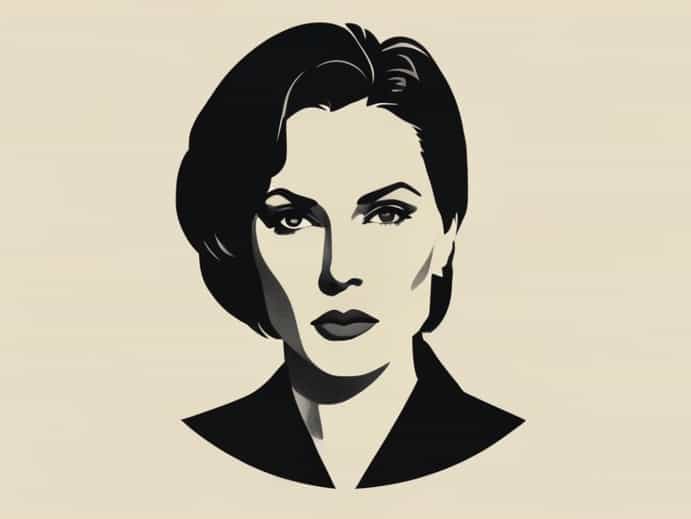
Uma Thurman’s role in Pulp Fiction remains one of the most iconic performances in modern cinema, solidifying her status as a cultural icon and a defining figure of 1990s film. Released in 1994 and directed by Quentin Tarantino, Pulp Fiction revolutionized storytelling with its nonlinear narrative, dark humor, and unforgettable characters. Thurman’s portrayal of Mia Wallace, the enigmatic and alluring wife of gangster Marsellus Wallace, captivated audiences and critics alike, blending charm, sophistication, and a subtle sense of danger. Her performance contributed to the film’s enduring legacy and helped establish Tarantino’s reputation for creating complex, memorable characters that defy conventional archetypes.
The Character of Mia Wallace
Mia Wallace is introduced as a mysterious and stylish figure whose presence immediately commands attention. Her personality is a mix of wit, sophistication, and unpredictability, which creates tension and intrigue throughout her scenes. Thurman brings depth and nuance to the role, portraying Mia as both vulnerable and confident, playful yet enigmatic. The character’s iconic appearance, including her black bob haircut, red lipstick, and crisp white shirt, has become synonymous with pop culture, inspiring fashion trends and countless homages in media and art.
Uma Thurman and Quentin Tarantino Collaboration
Thurman’s collaboration with Tarantino began with Pulp Fiction, marking a significant milestone in both of their careers. Tarantino, known for his sharp dialogue and unconventional storytelling, provided a platform for Thurman to showcase her versatility and screen presence. Their creative synergy was evident in the memorable dance scene with John Travolta, where Thurman’s charisma and timing added charm and authenticity to the sequence. The collaboration highlighted Tarantino’s ability to craft strong, complex female characters while giving actors the space to bring their unique interpretations to life.
Impact on Popular Culture
Uma Thurman’s performance as Mia Wallace has left a lasting mark on popular culture. The character became instantly recognizable, with her look and mannerisms frequently referenced in movies, television, and advertisements. The dance scene at Jack Rabbit Slim’s, in particular, has been parodied, celebrated, and recreated countless times, demonstrating the scene’s enduring appeal. Beyond visual homage, Mia Wallace’s witty dialogue and confident demeanor influenced character archetypes in subsequent films, reinforcing Thurman’s role as a trendsetter and icon within Hollywood and beyond.
Critical Reception and Acclaim
Critics widely praised Thurman’s portrayal of Mia Wallace, noting her ability to convey charm, danger, and humor simultaneously. Her performance contributed to Pulp Fiction’s critical success, which included winning the Palme d’Or at the Cannes Film Festival and earning multiple Academy Award nominations. Thurman’s portrayal was lauded for its complexity, offering a multi-dimensional character who was both glamorous and relatable. Her timing, delivery, and chemistry with co-stars like John Travolta and Bruce Willis elevated the film’s narrative and created some of its most memorable moments.
Key Scenes and Performance Highlights
Several scenes showcase Thurman’s talent and the depth of Mia Wallace’s character
- Jack Rabbit Slim’s Dance SceneThurman and Travolta perform a twist dance that blends humor, sensuality, and elegance, becoming one of the film’s most iconic sequences.
- The Overdose SceneThurman demonstrates emotional range as Mia experiences a near-fatal overdose, capturing vulnerability, tension, and urgency with remarkable authenticity.
- Dialogue with Vincent VegaHer conversations with Travolta’s character reveal Mia’s wit, intelligence, and charm, creating a dynamic and memorable on-screen relationship.
Thurman’s Preparation and Approach
Uma Thurman approached the role of Mia Wallace with careful consideration, understanding the character’s complexity and the film’s unconventional narrative structure. She studied Tarantino’s script extensively, noting the sharp, witty dialogue and intricate character dynamics. Thurman’s ability to balance humor, tension, and charisma allowed her to inhabit Mia Wallace fully, making the character memorable despite limited screen time. Her approach exemplified dedication to craft and a deep understanding of character development within a nonlinear storytelling framework.
Fashion and Iconography
Mia Wallace’s style, brought to life by Thurman, has become emblematic of 1990s fashion and cinematic iconography. The bob haircut, tailored clothing, and minimalist yet striking makeup contributed to a look that remains widely imitated. Designers, artists, and fans continue to draw inspiration from Thurman’s appearance, demonstrating the character’s enduring influence on visual culture. The combination of style, personality, and performance elevated Mia Wallace from a fictional character to a lasting symbol of sophistication, mystery, and cool confidence.
Legacy in Cinema
Uma Thurman’s role in Pulp Fiction has had a lasting impact on both her career and the broader film industry. The performance showcased her ability to command attention and deliver nuanced portrayals, leading to further iconic roles in films like Kill Bill. Pulp Fiction itself continues to be studied in film schools for its innovative narrative techniques, memorable characters, and cultural impact, with Thurman’s performance frequently cited as a highlight. The film’s enduring popularity has cemented both her and Mia Wallace as fixtures in cinematic history.
Influence on Female Characters in Film
Mia Wallace contributed to a shift in how female characters were portrayed in Hollywood during the 1990s. Thurman’s depiction combined allure, intelligence, and agency, breaking away from one-dimensional or purely decorative roles. This performance paved the way for more complex, empowered female characters in mainstream cinema, emphasizing personality, strength, and narrative significance. Thurman’s embodiment of Mia Wallace serves as an example of how actors can create lasting cultural impact through thoughtful, dynamic portrayals.
Uma Thurman’s portrayal of Mia Wallace in Pulp Fiction is a defining moment in film history, blending charisma, depth, and cultural resonance. Her performance elevated the character from a supporting role to an iconic figure in cinema, influencing fashion, dialogue, and storytelling conventions. Thurman’s collaboration with Quentin Tarantino highlighted the importance of strong, complex female characters and demonstrated the power of nuanced acting within an unconventional narrative. Decades after the film’s release, Mia Wallace remains a symbol of style, wit, and cinematic excellence, and Thurman’s performance continues to inspire actors, filmmakers, and audiences worldwide.