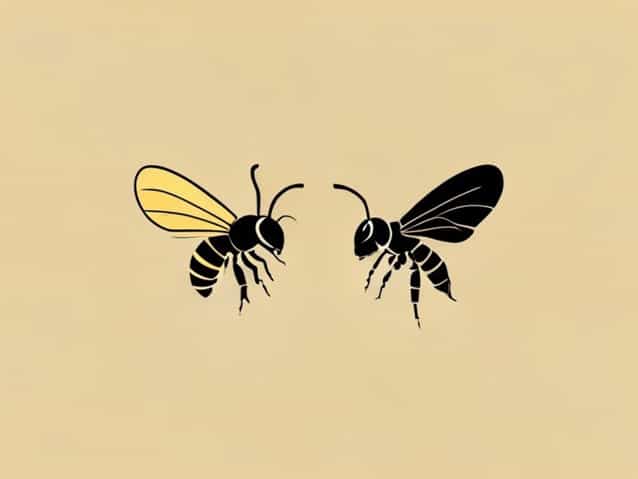
Wasps and hornets are often confused because of their similar appearance and behavior, but they are actually different insects with unique traits and habits. Both belong to the same scientific family, Vespidae, which also includes yellowjackets. They share common features such as narrow waists, stingers, and the ability to build nests, yet their differences become clear when you look closely at their size, color, aggression level, and habitat. Understanding the difference between a wasp and a hornet can help people identify these insects correctly and know how to respond when encountering them in gardens, homes, or outdoor areas.
Classification and Species
Wasps are a large and diverse group of insects that include thousands of species worldwide. Hornets, on the other hand, are a specific type of wasp. In other words, all hornets are wasps, but not all wasps are hornets. Hornets belong to the genusVespa, while most common wasps belong to the genusVespulaorPolistes. This distinction makes hornets a smaller, more specialized subset within the wasp family.
In North America, true hornets are relatively rare. The most well-known species there is the European hornet (Vespa crabro), which was introduced from Europe. In contrast, the term wasp is often used for several species like paper wasps, mud daubers, and yellowjackets, each with distinct nesting and behavioral patterns.
Physical Appearance
One of the easiest ways to tell the difference between wasps and hornets is by their physical appearance. Though both have slender bodies and narrow waists, hornets tend to be larger and bulkier than most wasps.
Wasp Characteristics
- Wasps generally measure between 1 and 1.5 centimeters in length.
- They have bright yellow and black stripes with a smooth and shiny body.
- Their legs hang down visibly during flight, giving them a distinct silhouette.
- Paper wasps have long, thin bodies and create open, umbrella-shaped nests.
Hornet Characteristics
- Hornets are larger, averaging 2 to 3.5 centimeters in length.
- They often have a more reddish-brown or orange coloration mixed with black markings.
- Their bodies appear more robust and rounded compared to slender wasps.
- Hornets tend to have wider heads and thicker thoraxes.
Because of their larger size and darker coloring, hornets usually appear more intimidating than common wasps, which contributes to their reputation for being aggressive.
Nesting Behavior
The way these insects build their nests also helps distinguish them. Both wasps and hornets construct nests using chewed wood fibers mixed with saliva, forming a papery material. However, the structure and location of their nests differ significantly.
Wasp Nests
Wasps, especially paper wasps and yellowjackets, typically build smaller, open-faced nests. These nests are often found under eaves, porch roofs, or branches. Paper wasp nests have a honeycomb-like pattern visible from below, while yellowjackets may build their nests underground or in wall cavities.
Hornet Nests
Hornets prefer to build large, enclosed, football-shaped nests that hang from trees, shrubs, or occasionally buildings. Their nests can grow quite large during the summer months, housing hundreds of insects. The outer layer of a hornet’s nest is made of paper-like material that protects the colony inside from rain and predators.
While both types of nests serve the same purpose-housing the queen, workers, and larvae-their placement and size make them easy to tell apart once identified.
Behavior and Aggression
Wasps and hornets both defend their nests when threatened, but hornets are generally more aggressive. Understanding their behavior is essential for safety, especially during late summer when they are most active.
Wasp Temperament
Wasps can be territorial but usually only sting when provoked or when their nest is disturbed. However, yellowjackets, a type of wasp, are more aggressive and are attracted to human food, especially sugary drinks and meats. They can sting multiple times and release a pheromone that signals other wasps to join the attack.
Hornet Temperament
Hornets are defensive and can become aggressive quickly if they perceive danger near their nest. Their stings are more painful due to the larger amount of venom they inject. Still, hornets are less likely than yellowjackets to scavenge around humans, making encounters less frequent unless someone gets too close to their nest.
Diet and Ecological Role
Both wasps and hornets play important roles in nature. They act as pollinators and predators, helping control pest populations. Despite their fearsome reputation, they contribute significantly to ecological balance.
Wasp Diet
Wasps are omnivorous, feeding on nectar, fruit, and other insects. Many wasps hunt caterpillars, flies, and spiders, which helps protect crops and gardens. Some species also feed on sugary substances like soda or ripe fruit, which is why they are often seen around picnics or trash bins in summer.
Hornet Diet
Hornets primarily eat other insects, including flies, bees, and smaller wasps. They are effective predators, capturing prey to feed their larvae. Adult hornets may also drink tree sap or nectar. Their predatory behavior benefits farmers and gardeners by reducing populations of harmful insects.
Stings and Venom
Both wasps and hornets can sting repeatedly, unlike honeybees that lose their stinger after one sting. The pain and reaction from their sting depend on the species and the individual’s sensitivity to venom.
- Wasp stings cause sharp pain, redness, and swelling, which usually subside within a few hours.
- Hornet stings are more painful because their venom contains more acetylcholine, a compound that intensifies pain.
- In rare cases, allergic reactions can cause anaphylaxis, requiring immediate medical attention.
Although both insects are capable of multiple stings, they typically only attack when provoked. Staying calm and avoiding sudden movements near their nests can help prevent stings.
Habitat and Distribution
Wasps are found almost everywhere in the world, from forests and fields to urban environments. Hornets are less widespread, mainly found in Europe, Asia, and parts of North America. The Asian giant hornet, known for its size and powerful sting, has also drawn attention in recent years due to sightings outside its native range.
Both species prefer warm climates and are most active during late spring through early fall. As temperatures drop, most colonies die off, with only the fertilized queens surviving winter to start new nests in the following season.
How to Tell Them Apart
To quickly identify whether you are looking at a wasp or a hornet, consider these key differences
- SizeHornets are noticeably larger and more robust than wasps.
- ColorWasps usually have bright yellow and black stripes, while hornets appear darker with reddish-brown or orange hues.
- Nest shapeWasps build open or smaller nests; hornets build large, enclosed, football-shaped nests.
- BehaviorHornets are more aggressive when defending their nests, while most wasps are less confrontational unless threatened.
The difference between a wasp and a hornet goes beyond their size and color. While both belong to the same family and share many behaviors, they have distinct traits that set them apart in appearance, nesting habits, and aggression. Wasps tend to be smaller, more common around humans, and come in many species, while hornets are larger, more powerful, and more protective of their colonies. Recognizing these differences helps people better understand how to coexist safely with these insects. Despite their stings and sometimes alarming behavior, both wasps and hornets play vital ecological roles as pollinators and natural pest controllers, making them essential members of the environment.