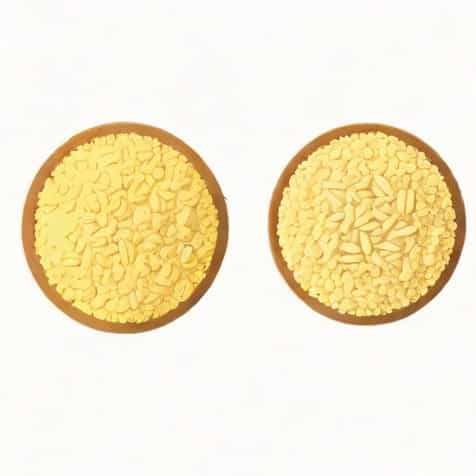
Flour is one of the most essential ingredients in baking and cooking, forming the foundation of bread, cakes, pastries, and many other foods. Among the varieties available in the market, unbleached and bleached flour are two common types that often confuse both home bakers and professional chefs. Understanding the differences between unbleached versus bleached flour is crucial for achieving the desired texture, flavor, and nutritional profile in your recipes. These two types of flour undergo distinct processing methods, which influence their appearance, baking behavior, and potential health effects. Whether you are baking a delicate cake, crafting artisan bread, or experimenting with everyday cooking, knowing how unbleached and bleached flour differ can greatly enhance your culinary outcomes.
What is Unbleached Flour?
Unbleached flour is wheat flour that has undergone minimal processing after milling. It is naturally aged to allow the proteins and starches to stabilize, which contributes to its slightly denser texture compared to bleached flour. The natural aging process also gives unbleached flour a creamier, off-white color rather than pure white. Because it is not treated with chemical bleaching agents, unbleached flour retains more of the wheat’s original flavor and nutrients, such as some B vitamins and minerals. This type of flour is often preferred for recipes that require a stronger structure, such as bread, pie crusts, and certain types of cookies.
Characteristics of Unbleached Flour
- Color Slightly off-white or creamy.
- Texture Coarser and denser than bleached flour.
- Protein Content Generally higher, making it suitable for yeast breads and pastries that require structure.
- Flavor Richer, more natural wheat flavor.
- Nutritional Profile Retains more nutrients since it is less chemically processed.
What is Bleached Flour?
Bleached flour, on the other hand, is flour that has been chemically treated to accelerate the aging process and achieve a very white, fine texture. Common bleaching agents include benzoyl peroxide, chlorine, or chlorine dioxide. This chemical treatment changes the protein structure slightly, making the flour softer and more suitable for delicate baked goods like cakes, muffins, and pastries. Bleached flour produces a lighter, finer crumb, which is ideal for recipes that require fluffiness and a tender texture. The process, however, can reduce some of the natural nutrients found in wheat.
Characteristics of Bleached Flour
- Color Bright white, due to chemical treatment.
- Texture Soft and fine, creating lighter baked goods.
- Protein Content Slightly lower, which prevents overdevelopment of gluten in delicate recipes.
- Flavor Milder, less pronounced wheat flavor.
- Nutritional Profile Slightly reduced levels of natural vitamins and minerals.
Key Differences Between Unbleached and Bleached Flour
Understanding the distinction between unbleached versus bleached flour goes beyond just appearance. The differences affect baking performance, flavor, and nutritional value. Here are the main points to consider
Processing Method
Unbleached flour is aged naturally after milling, allowing proteins to strengthen and starches to stabilize over time. Bleached flour undergoes a chemical treatment that accelerates this aging process and alters the protein composition for softer dough. This difference in processing affects how the flour behaves in different recipes.
Texture and Gluten Development
Because unbleached flour has a higher protein content, it forms stronger gluten networks when mixed with water. This makes it suitable for bread and pasta where structure is important. Bleached flour, being softer and lower in protein, produces tender, airy baked goods, ideal for cakes and muffins that require a delicate crumb.
Color and Appearance
The visual difference is immediately noticeable bleached flour is pure white, while unbleached flour has a creamier, slightly yellow tint. Some bakers prefer the natural color of unbleached flour for rustic breads or cookies, while others choose bleached flour for aesthetic purposes in professional cake baking.
Flavor Profile
Unbleached flour retains more of the wheat’s natural flavor, which can enhance breads and pastries with a slightly nutty, richer taste. Bleached flour has a neutral flavor that blends seamlessly into sweet recipes where other ingredients, like sugar and vanilla, dominate the taste.
Nutritional Considerations
While both types of flour are similar in calories and carbohydrates, unbleached flour typically retains more vitamins and minerals due to minimal chemical intervention. Bleached flour may lose small amounts of nutrients during processing. For health-conscious bakers, unbleached flour might be the preferred choice when nutrition is a consideration.
Choosing the Right Flour for Your Recipes
The choice between unbleached versus bleached flour largely depends on the type of recipe and the desired outcome. Here’s a simple guideline
- Bread and Pizza DoughUnbleached flour is ideal due to its higher protein content and ability to develop strong gluten networks.
- Cakes and PastriesBleached flour is preferred for delicate textures, soft crumbs, and bright white appearance.
- CookiesEither type can be used depending on whether you want a chewy, dense texture (unbleached) or a light, tender one (bleached).
- General CookingUnbleached flour is a safe all-purpose choice for most everyday recipes, providing a balanced texture and flavor.
Substitution Tips
In most cases, unbleached and bleached flour can be substituted for each other with slight adjustments. For example, using unbleached flour in a cake may result in a slightly denser texture, while using bleached flour in bread may produce a lighter crumb but potentially weaker structure. Adjusting liquid ratios or mixing times can help compensate for these differences.
Health and Safety Considerations
Bleached flour is generally considered safe for consumption, though some bakers prefer to avoid chemical bleaching agents. Unbleached flour, being less processed, aligns more with clean eating and whole-food principles. Both types should be stored in a cool, dry place to maintain freshness and prevent rancidity. For individuals with specific dietary preferences, choosing unbleached flour might feel more natural and less chemically altered.
Understanding the nuances of unbleached versus bleached flour is key to successful baking and cooking. Unbleached flour offers richer flavor, higher protein content, and a more natural composition, making it ideal for breads, pizza dough, and rustic baked goods. Bleached flour provides a softer texture, lighter color, and neutral taste, perfect for delicate cakes, muffins, and pastries. Both types have their place in the kitchen, and knowing when to use each can elevate the quality of your dishes. By considering factors such as recipe type, desired texture, and nutritional preferences, bakers can make informed decisions and achieve consistent, satisfying results every time.