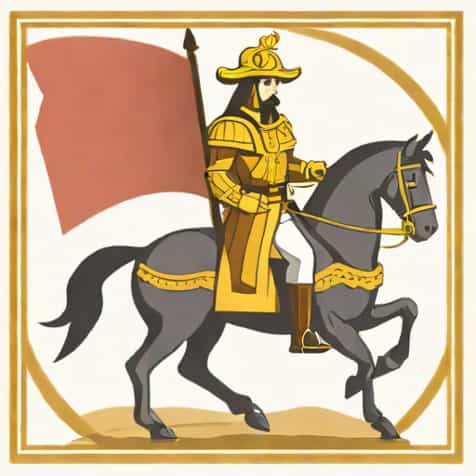
Vasco Núñez de Balboa was one of the most notable explorers of the Age of Discovery, whose daring expeditions and accomplishments left a lasting mark on the history of the Americas. Born in Spain around 1475, Balboa ventured to the New World seeking fortune, adventure, and recognition. Despite facing numerous hardships, political rivalries, and treacherous landscapes, he made significant contributions to exploration, most famously being the first European to see and claim the Pacific Ocean from the Americas. His accomplishments are remembered not only for their immediate impact on European exploration but also for their long-term influence on global navigation, trade, and colonial expansion.
Early Life and Journey to the New World
Vasco Núñez de Balboa grew up in a Spain marked by exploration and conquest. Inspired by tales of discovery, he traveled to the Americas in 1500, initially settling on the island of Hispaniola. Balboa’s early experiences were filled with challenges, including financial difficulties, harsh living conditions, and political conflicts. However, these trials prepared him for the monumental achievements that would later define his legacy. His move to the New World exemplified the courage and determination characteristic of explorers during the early 16th century.
Settlement in Darién
Balboa eventually relocated to the Darién region, located in present-day Panama, where he founded the settlement of Santa MarÃa la Antigua del Darién in 1510. This was one of the first permanent European settlements on the mainland of the Americas. Establishing this colony required remarkable leadership skills, diplomacy with indigenous populations, and resourcefulness in navigating the challenges of unfamiliar territory. Balboa’s role in founding Darién cemented his position as a prominent figure in early Spanish colonial efforts.
Discovery of the Pacific Ocean
Vasco Núñez de Balboa’s most celebrated accomplishment is his discovery of the Pacific Ocean, which he initially referred to as the South Sea. In 1513, after learning from indigenous peoples about a vast body of water beyond the mountains, Balboa led an expedition across the Isthmus of Panama. The journey was arduous, involving dense jungles, swamps, and encounters with hostile wildlife and local tribes. On September 25, 1513, Balboa finally reached the shores of the Pacific Ocean, becoming the first European to witness this immense body of water from the New World.
Claiming the Ocean for Spain
Upon reaching the Pacific, Balboa claimed the ocean and all adjoining lands for the Spanish crown. This act of claiming new territory demonstrated his strategic vision and loyalty to Spain, which sought to expand its influence and secure new trade routes. Balboa’s claim opened opportunities for further exploration and conquest, setting the stage for subsequent expeditions by other notable explorers like Ferdinand Magellan and Hernán Cortés. The Pacific Ocean’s discovery significantly altered European understanding of the Americas and the world, linking previously unknown oceans to global navigation.
Leadership and Governance
Balboa’s accomplishments were not limited to exploration. He also demonstrated effective leadership and governance, particularly in the Darién colony. As a governor, he organized defenses, ensured the distribution of resources, and managed relations with indigenous communities. His ability to maintain order and promote development in a challenging environment highlighted his administrative skills. These qualities allowed him to secure loyalty from both settlers and local allies, making Darién a model for future Spanish colonies in the Americas.
Diplomacy with Indigenous Peoples
One of Balboa’s notable achievements was his skillful diplomacy with native tribes. He often negotiated alliances, established trade networks, and used local knowledge to guide expeditions. Indigenous guides provided crucial information about terrain, water sources, and potential hazards, which facilitated Balboa’s successful crossing of the Isthmus of Panama. His interactions with native populations were a combination of diplomacy, strategy, and occasional conflict, reflecting the complexities of early European expansion in the New World.
Challenges and Rivalries
Despite his accomplishments, Balboa faced significant challenges and rivalries, both from the natural environment and fellow Spaniards. Harsh terrain, tropical diseases, and unpredictable weather made exploration perilous. Additionally, political rivalries in the Spanish colonies eventually led to his arrest and execution in 1519. Despite these setbacks, Balboa’s achievements endured and continued to inspire explorers and navigators who followed in his footsteps.
Legacy of Exploration
Vasco Núñez de Balboa’s accomplishments had far-reaching effects on European exploration. His sighting of the Pacific Ocean expanded geographical knowledge, encouraged new expeditions, and intensified Spain’s interest in colonization and trade across the Americas. Balboa’s courage, strategic thinking, and leadership set a standard for exploration and reinforced the importance of daring and resilience in navigating unknown lands. His legacy remains integral to understanding the Age of Discovery and the expansion of European influence in the New World.
Impact on Trade and Navigation
The discovery of the Pacific Ocean by Balboa had a profound impact on global trade and navigation. By demonstrating that the Pacific could be reached from the Americas, he paved the way for transoceanic trade routes and the eventual establishment of Spanish settlements along the Pacific coast. European merchants and explorers gained new opportunities to access resources, expand markets, and enhance the flow of goods between continents. Balboa’s accomplishment was thus not only geographical but also economic, influencing global trade patterns for centuries.
Inspiration for Future Explorers
Balboa’s courage and accomplishments inspired future generations of explorers. Figures like Ferdinand Magellan, who later circumnavigated the globe, and other Spanish conquistadors benefited from Balboa’s pioneering work in mapping new territories and navigating uncharted waters. His determination and willingness to face extreme challenges exemplify the spirit of exploration that defined the early 16th century, motivating countless others to seek new lands and opportunities.
Recognition and Historical Significance
Although Balboa’s life ended tragically, his historical significance remains undeniable. Historians celebrate his daring expeditions, strategic leadership, and the monumental discovery of the Pacific Ocean. Monuments, historical texts, and scholarly studies continue to honor his contributions to exploration, illustrating the enduring importance of his achievements in understanding the history of the Americas. Balboa’s accomplishments are a testament to the courage, resilience, and vision required to expand the boundaries of known world geography.
Contribution to Geographic Knowledge
Vasco Núñez de Balboa contributed significantly to geographic knowledge by mapping previously unknown territories and providing accurate accounts of the New World. His records, combined with observations from indigenous guides, enhanced European understanding of Central and South America’s geography. These contributions were invaluable for future explorers, enabling safer and more efficient expeditions and facilitating Spain’s growing influence across the Americas.
Vasco Núñez de Balboa accomplished feats that have left a lasting legacy in the history of exploration. From his early struggles in the New World to founding settlements in Darién, crossing the Isthmus of Panama, and claiming the Pacific Ocean for Spain, his contributions exemplify courage, leadership, and strategic vision. Balboa’s accomplishments influenced navigation, trade, and colonization while inspiring generations of explorers to venture into unknown lands. Despite facing formidable natural and political challenges, his achievements remain a defining chapter in the Age of Discovery, highlighting the profound impact that determination, skill, and bold exploration can have on human history.
In summary, Vasco Núñez de Balboa’s accomplishments are remembered for their lasting historical significance, particularly his role in unveiling the Pacific Ocean to European knowledge and his leadership in establishing early settlements in the Americas. By overcoming adversity, negotiating with indigenous populations, and navigating unknown territories, Balboa exemplified the qualities of a pioneering explorer whose work continues to influence geography, trade, and historical understanding of the New World.