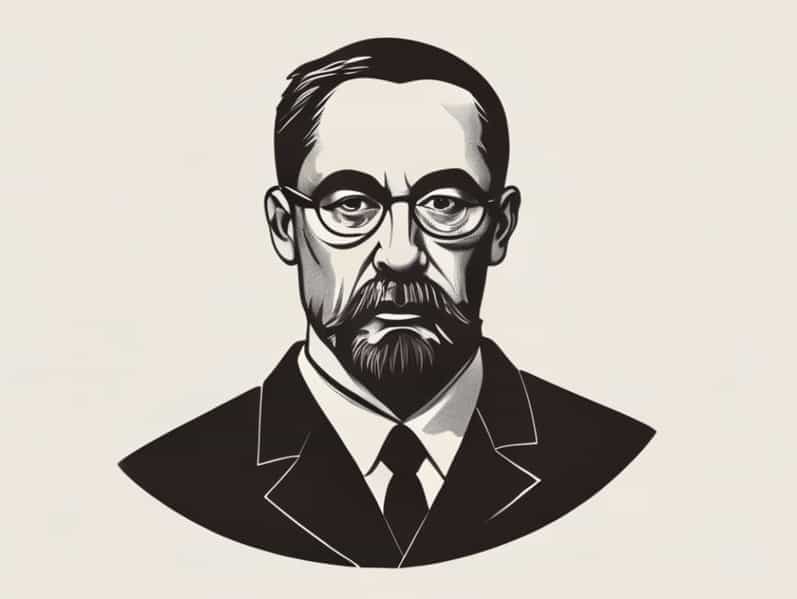
Miklós Horthy, the Regent of Hungary during World War II, played a complex and controversial role in European history. Serving as Hungary’s head of state from 1920 until 1944, Horthy navigated a period marked by political upheaval, territorial losses, and alignment with Nazi Germany. His actions during the war, particularly regarding Hungary’s participation in the Axis powers and treatment of Jews, have been widely debated by historians. After World War II ended, Horthy’s fate reflected the dramatic political changes sweeping across Europe, as former Axis leaders faced trials, exile, or imprisonment. Understanding what happened to Miklós Horthy after the war provides insight into the immediate post-war environment in Hungary and the broader dynamics of European justice and politics.
Horthy’s Role During World War II
Before examining Horthy’s post-war fate, it is important to summarize his role during the war. As Regent, Horthy sought to restore Hungary’s pre-World War I borders and maintain national sovereignty. Hungary joined the Axis alliance primarily to regain lost territories, but Horthy maintained a degree of autonomy and was sometimes hesitant to fully implement Nazi policies, particularly regarding the deportation of Jews until the German occupation of Hungary in 1944. His political maneuvering during the war was complex, involving attempts to balance pressures from Germany with domestic concerns and his own moral and political considerations.
Germany Occupies Hungary
In March 1944, Germany occupied Hungary after growing distrust of Horthy’s intentions to negotiate a separate peace with the Allies. The occupation dramatically altered Horthy’s position, effectively stripping him of real power. German authorities installed a pro-Nazi government, and the deportation of Hungarian Jews to concentration camps accelerated under German supervision. This event marked a turning point in both Hungary’s role in the war and Horthy’s personal trajectory, as he was no longer able to exercise the authority he had held for over two decades.
Horthy’s Attempt to Negotiate Peace
By 1944, Horthy realized that Germany was losing the war and sought to negotiate an armistice with the Allies to save Hungary from further devastation. He attempted to surrender unconditionally to the advancing Soviet forces while avoiding the full collapse of Hungarian governance. However, his efforts were thwarted by Germany, and his power was further curtailed. In October 1944, Horthy was forced to resign after a failed attempt to declare an armistice, and the Arrow Cross Party, a fascist and pro-Nazi organization, assumed control with German backing. This failure directly influenced his post-war fate, as Allied powers considered his actions during the war in determining accountability.
Arrest and Detention by the Allies
Following Germany’s defeat in 1945, Horthy’s fate was uncertain. He was briefly detained by Allied forces, specifically the United States Army, as part of the process of identifying former Axis leaders who could be held accountable for war crimes. Despite his collaboration with the Axis and his complicity in certain wartime policies, Horthy was not immediately prosecuted for war crimes. Allied authorities had to consider the political and practical implications of prosecuting a former head of state, particularly in the emerging post-war order dominated by Soviet influence in Eastern Europe.
Exile in Portugal
After his initial detention, Miklós Horthy was released but effectively barred from returning to political life in Hungary, which was under Soviet influence. He chose to live in exile, eventually settling in Portugal, a neutral country during the war. Horthy’s exile was marked by relative quiet and withdrawal from political activity, as Hungary underwent significant political transformation under Soviet-backed communist rule. The move to Portugal allowed him to avoid prosecution and the uncertainty of post-war trials, though it also symbolized the dramatic fall from power that followed the Axis defeat.
Life in Portugal
In Portugal, Horthy lived a modest life compared to his previous position as Regent of Hungary. He resided primarily in Lisbon and attempted to maintain a low profile. Horthy’s family accompanied him in exile, and he spent his remaining years reflecting on his life and the dramatic changes that had overtaken Hungary. While he remained a figure of interest for historians and some Hungarian expatriates, he refrained from public political engagement, recognizing that the post-war environment no longer allowed for his return to power or influence.
Post-War Assessment of Horthy
Historians continue to debate Horthy’s legacy and his actions during the war. While some argue that he sought to protect Hungary and mitigate the impact of German policies, others criticize his collaboration with Nazi Germany and failure to fully resist anti-Jewish measures. After the war, his lack of prosecution for war crimes has been attributed to several factors, including Allied priorities, insufficient evidence for individual responsibility, and the emerging geopolitical realities of the early Cold War. His life in exile reflects both the personal consequences of defeat and the broader historical reckoning facing former Axis leaders.
Historical Significance
- Horthy’s post-war exile illustrates the fate of many Axis leaders who avoided prosecution but lost all political power.
- His life in Portugal provides insight into how former political figures adapted to life outside their home countries after defeat.
- Horthy’s legacy continues to influence discussions of Hungary’s wartime history, national identity, and moral responsibility.
- His case demonstrates the complexities of accountability in post-war Europe, balancing legal, political, and ethical considerations.
- Scholars use Horthy’s experiences to examine the broader effects of World War II on leadership, exile, and historical memory.
After World War II, Miklós Horthy’s life transitioned from political authority to exile, marking a significant change in both his personal circumstances and Hungary’s political landscape. Although detained briefly by the Allies, he was not prosecuted for war crimes, likely due to political considerations and the challenges of legal accountability. Settling in Portugal, Horthy lived out his remaining years in relative obscurity, reflecting on a turbulent period of Hungarian history. His post-war experience highlights the consequences faced by former leaders of Axis-aligned states, the complexities of historical judgment, and the enduring debates surrounding moral responsibility and political decision-making during wartime.