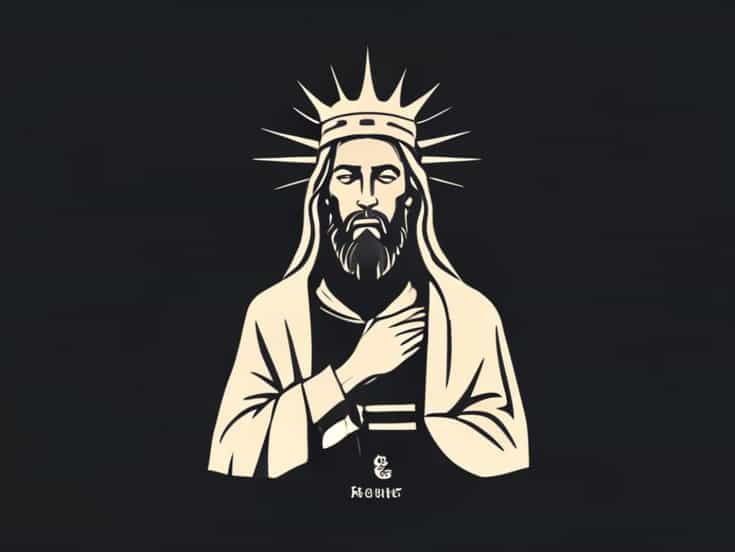
The Solemnity of Christ the King is a significant celebration in the Christian liturgical calendar that honors Jesus Christ as the supreme ruler over all creation, both in heaven and on earth. This feast is observed on the last Sunday of the liturgical year in the Roman Catholic Church, just before Advent begins, highlighting the eternal reign of Christ and the ultimate fulfillment of God’s kingdom. The solemnity reminds believers of Christ’s authority, his role as a shepherd and judge, and the call for Christians to live in a way that reflects his teachings. It is a time for reflection on the spiritual and moral responsibilities of those who follow Christ, as well as the hope and promise of his ultimate victory over sin and death.
Origins and History of the Feast
The Solemnity of Christ the King was instituted relatively recently in church history, in 1925, by Pope Pius XI. The pope established this feast in response to growing secularism and the rise of political ideologies that threatened religious values. By declaring a feast dedicated to Christ’s kingship, the Church aimed to remind the faithful that Christ’s authority surpasses all earthly powers and that his reign is eternal. The feast was originally celebrated on the last Sunday of October, but in 1969, following revisions of the liturgical calendar after the Second Vatican Council, it was moved to the final Sunday of Ordinary Time, right before Advent. This placement emphasizes that Christ’s kingdom is the culmination of history and the final goal of human life.
Meaning and Spiritual Significance
The Solemnity of Christ the King emphasizes the universal sovereignty of Jesus Christ. It teaches that Christ’s kingship is not limited to a political or earthly realm but extends over every aspect of creation. Believers are called to recognize Christ as the ultimate authority, to submit their lives to his guidance, and to live according to his teachings. The feast encourages reflection on the moral and spiritual responsibilities of Christians, reminding them that true power is exercised through service, humility, and love. In addition, the celebration points to the hope of eternal life and the promise of a kingdom where justice, peace, and compassion reign.
Liturgical Practices and Celebrations
The Solemnity of Christ the King is marked by special liturgical practices in churches worldwide. The Mass for this feast includes readings that focus on the kingship of Christ, his role as shepherd and judge, and the promise of his return. Hymns and prayers emphasize Christ’s majesty, mercy, and universal authority. Many parishes decorate the altar with symbols of kingship, such as crowns or scepters, to visually reinforce the theme. Clergy may wear vestments of white or gold, colors that symbolize glory, victory, and divine sovereignty.
Role in the Liturgical Year
By placing the feast at the end of the liturgical year, the Church draws attention to the eschatological dimension of Christ’s kingship. It reminds the faithful that all of creation is moving toward Christ’s ultimate reign and that believers should live with awareness of this divine reality. The Solemnity of Christ the King serves as a spiritual preparation for Advent, a season focused on hope, expectation, and the coming of Christ. This positioning reinforces the idea that Christ’s kingdom is both present in the world today and yet to be fully realized in the future.
Symbols and Imagery Associated with Christ the King
The celebration of Christ the King uses rich symbolism to convey spiritual truths. Common symbols include crowns, representing Christ’s authority; scepters, symbolizing leadership and governance; and the globe, signifying Christ’s dominion over the world. Churches often display banners, statues, or images depicting Christ as a triumphant king seated on a throne, holding a shepherd’s staff, or surrounded by angels. These symbols help believers visualize Christ’s majesty and reflect on the qualities of his kingship justice, mercy, humility, and service.
Scriptural Foundations
The feast is rooted in Scripture, with readings highlighting Christ’s authority and role as ruler of all creation. Passages from the Gospels and the Book of Revelation emphasize the coming of the Son of Man in glory, the final judgment, and the establishment of God’s eternal kingdom. Key verses remind Christians that Christ’s power is exercised through love and that his kingdom is one of righteousness and peace. The scriptural foundation reinforces the feast’s theological significance, connecting the celebration with the core teachings of the Bible.
Importance for Contemporary Christians
The Solemnity of Christ the King continues to hold profound relevance for contemporary Christians. In a world often dominated by political, social, and economic struggles, the feast provides a reminder that ultimate authority rests with Christ. It encourages believers to align their actions with Christ’s teachings, to serve others selflessly, and to seek justice and compassion in daily life. By celebrating Christ as king, Christians reaffirm their faith and trust in a divine order that transcends earthly challenges. The feast also fosters a sense of hope, assuring the faithful that Christ’s reign will bring ultimate peace and restoration to the world.
Connection to Christian Life and Mission
Observing the Solemnity of Christ the King invites believers to reflect on their personal relationship with Christ and how they participate in his mission. The celebration challenges Christians to recognize Christ’s authority in their lives, to prioritize spiritual values over material concerns, and to contribute to building a society rooted in love, justice, and solidarity. It reminds the faithful that living under Christ’s kingship means embracing responsibility, practicing forgiveness, and embodying the principles of the Gospel in everyday actions.
The Solemnity of Christ the King is a powerful and meaningful celebration that honors the supreme authority of Jesus Christ over all creation. It provides an opportunity for Christians to reflect on the spiritual, moral, and eschatological significance of Christ’s reign. Through liturgy, symbols, and scriptural readings, the feast communicates the values of humility, service, justice, and hope. By observing this solemnity, believers reaffirm their commitment to Christ, acknowledge his guidance in their lives, and look forward to the fulfillment of his eternal kingdom. The Solemnity of Christ the King remains a central reminder that Christ’s rule is not only a future promise but a present reality that calls for faith, devotion, and active discipleship in the world today.