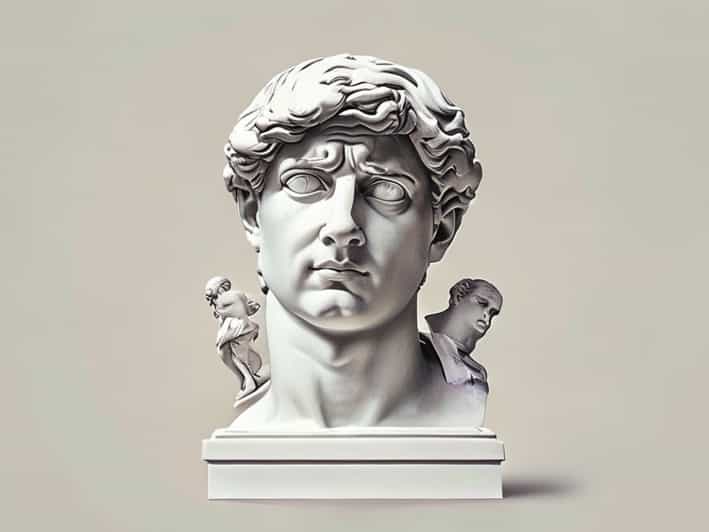
Gian Lorenzo Bernini was one of the most influential artists of the Baroque era, and his sculptures in Rome remain a testament to his extraordinary talent and vision. Known for his dynamic compositions, lifelike figures, and dramatic use of space, Bernini transformed the city into a living gallery of Baroque art. Many tourists and art enthusiasts visit Rome specifically to admire his masterpieces, which are displayed in churches, piazzas, and museums throughout the city. Understanding where to find Bernini’s sculptures in Rome helps visitors fully appreciate his contribution to art, architecture, and cultural history.
Introduction to Bernini and His Work in Rome
Bernini (1598-1680) was not only a sculptor but also an architect and painter. His work often blurred the boundaries between sculpture and architecture, creating immersive experiences that captivate viewers. In Rome, his sculptures range from monumental public fountains to intimate religious figures, demonstrating his mastery of marble and his ability to convey movement and emotion. Many of his works were commissioned by popes and wealthy patrons, reflecting the power and prestige of the Catholic Church during the Baroque period.
Bernini Sculptures in Churches
Churches in Rome house some of Bernini’s most famous sculptures, often integrated with elaborate altarpieces or architectural elements.
St. Peter’s Basilica
St. Peter’s Basilica in Vatican City contains several of Bernini’s masterpieces. Notably
- Baldachin of St. PeterA monumental bronze canopy over the main altar, combining sculpture and architecture.
- Chair of St. PeterAn elaborate throne that includes gilded sculptures of saints and angels.
- Statue of St. LonginusA dramatic depiction of the Roman centurion who pierced Christ’s side, showcasing Bernini’s skill in conveying spiritual ecstasy.
San Francesco a Ripa
This church in Trastevere houses the famous sculpture ofBlessed Ludovica Albertoni, a masterpiece of emotional intensity. Bernini captures the moment of spiritual ecstasy with flowing drapery and expressive facial details, emphasizing both human and divine experience.
San Andrea al Quirinale
Here, Bernini designed the entire chapel, including theEcstasy of St. Andrew. The sculpture depicts the saint in a moment of divine rapture, surrounded by carefully designed architectural elements and lighting that enhance the dramatic effect.
Bernini Sculptures in Piazzas and Public Spaces
Bernini’s work is not confined to churches; his fountains and sculptures in public squares are integral to Rome’s urban landscape.
Piazza Navona
One of Bernini’s most famous public works is theFountain of the Four Rivers. This fountain features personifications of four major rivers-Danube, Nile, Ganges, and Rio de la Plata-alongside dynamic figures and aquatic creatures. The fountain demonstrates Bernini’s ability to combine sculpture, architecture, and water to create a lively urban centerpiece.
Piazza Barberini
TheTriton Fountainin Piazza Barberini showcases Bernini’s skill in depicting movement and energy. The central figure of Triton blowing a conch shell seems to emerge from the water, a hallmark of Bernini’s Baroque style.
Other Notable Fountains
- Fountain of the BeesA smaller fountain on Piazza Barberini, highlighting Bernini’s playful approach to sculpture.
- Fountain of the Four RiversLocated in Piazza Navona, as mentioned, a key example of his monumental work.
Bernini in Museums
Several museums in Rome display Bernini’s sculptures, allowing closer study of his technique and craftsmanship.
Galleria Borghese
The Borghese Gallery contains perhaps the most extensive collection of Bernini’s work, including
- DavidA dynamic and dramatic sculpture showing David mid-action, twisting his body as he prepares to strike Goliath.
- Apollo and DaphneThis work captures the climactic moment of Daphne transforming into a laurel tree, emphasizing movement and narrative.
- Pluto and ProserpinaA dramatic sculpture depicting Pluto abducting Proserpina, showcasing Bernini’s mastery of texture and anatomy.
Museo di Roma
Some smaller works and preparatory sketches by Bernini can be found here, offering insight into his creative process and planning for larger commissions.
How to Experience Bernini’s Sculptures in Rome
To fully appreciate Bernini’s sculptures, visitors should consider the following tips
Plan Visits by Location
Many of Bernini’s works are spread across different churches, piazzas, and museums. Planning a route that groups nearby locations can save time and allow a more immersive experience.
Guided Tours and Audio Guides
Guided tours can provide historical context and explain the significance of each sculpture, enhancing understanding of Bernini’s style and contributions to Baroque art.
Timing and Lighting
For sculptures in churches, morning light often enhances the dramatic effects intended by Bernini. In outdoor locations, the interplay of natural light and water in fountains can be particularly striking.
Rome is a treasure trove of Bernini’s artistic genius. From the grandeur of St. Peter’s Basilica to the dramatic fountains of Piazza Navona and the intimate sculptures in Galleria Borghese, Bernini’s work is omnipresent in the city. Visiting these sites allows one to witness the dynamic motion, emotional intensity, and technical brilliance that define his sculptures. For art lovers, history enthusiasts, and tourists, exploring Bernini’s masterpieces in Rome is an unforgettable journey through the heart of Baroque art.