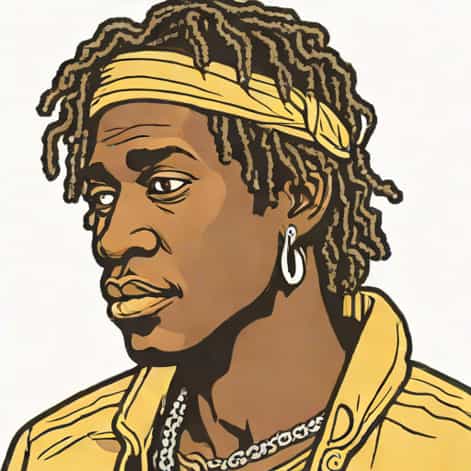
The phrase young thug i done did the robbing immediately sounds raw, confessional, and provocative. It feels like a line pulled straight from the heart of modern hip-hop culture, where storytelling, exaggeration, and personal mythology blend into a powerful narrative voice. Rather than being a literal admission, the phrase functions as a symbolic expression of struggle, ambition, survival, and rebellion. Many listeners are drawn to it because it reflects a mindset shaped by pressure, environment, and the desire to rise above limitations.
Understanding the Phrase in Context
When people hear young thug i done did the robbing, they often interpret it through the lens of hip-hop storytelling. In rap music, language is frequently exaggerated to express emotion and lived experience. The phrase can suggest taking risks, bending rules, or doing whatever it takes to survive and succeed. It is less about a specific act and more about a state of mind shaped by adversity.
Hip-hop has always used bold language to capture attention and communicate intensity. This line reflects that tradition by using blunt wording to convey confidence and defiance. It places the speaker in a position of control, someone who has taken action rather than remaining powerless.
Metaphor Over Literal Meaning
In many cases, robbing is a metaphor. It can mean taking opportunities aggressively, claiming success in an unfair system, or even robbing the industry by beating expectations. Listeners familiar with rap culture understand that such phrases often represent hustle and determination rather than crime.
- Symbol of survival in difficult environments
- Expression of ambition and risk-taking
- Metaphor for overcoming obstacles
- Reflection of street-influenced storytelling
Young Thug’s Artistic Style
Young Thug is known for pushing boundaries in sound, language, and persona. His lyrics often blend vulnerability with bravado, creating a unique emotional tension. The phrase young thug i done did the robbing fits this style perfectly. It sounds unapologetic, yet it invites deeper interpretation.
His music frequently explores themes of freedom, identity, and rebellion against norms. By using unconventional grammar and phrasing, he creates authenticity and rhythm that resonate with listeners. The phrase feels spontaneous and unfiltered, which is part of its appeal.
Language as Identity
The way the phrase is structured reflects spoken language rather than formal grammar. This choice reinforces authenticity and cultural identity. It mirrors how stories are told within communities, making the line feel personal and grounded.
In hip-hop, language is not just communication; it is identity. Phrases like this become memorable because they sound real, not polished. That rawness helps listeners connect emotionally.
Street Narratives in Hip-Hop Culture
Street narratives have always played a major role in rap music. They allow artists to share perspectives shaped by hardship, inequality, and ambition. Young thug i done did the robbing fits into this tradition by presenting a voice that refuses to be ignored.
These narratives are not endorsements of harmful behavior. Instead, they are reflections of reality as seen through the artist’s eyes. They capture the tension between survival and morality, success and consequence.
Why These Stories Resonate
Many listeners connect with street narratives even if they have never lived that life. The emotions behind the words are universal struggle, pride, fear, and hope. The phrase speaks to the idea of taking control in a world that feels stacked against you.
- Represents resistance against limitations
- Expresses confidence in personal power
- Reflects real emotions, even if exaggerated
The Role of Shock Value
Shock value is an important tool in hip-hop. Bold phrases grab attention and spark conversation. Young thug i done did the robbing does exactly that. It challenges listeners, forcing them to pause and think about meaning rather than taking the words at face value.
This approach helps songs stand out in a crowded music landscape. In an era of constant content, memorable lines become cultural references. They are quoted, discussed, and searched online, contributing to their longevity.
Controversy and Curiosity
Controversial language often invites criticism, but it also drives curiosity. Fans analyze lyrics, debate intent, and share interpretations. This engagement keeps the music alive beyond the initial listen.
Rather than offering simple messages, such phrases open the door to discussion about art, expression, and social context.
Modern Hip-Hop and Self-Mythology
Many modern rappers build a myth around their persona. They exaggerate aspects of their lives to create a powerful image. The phrase young thug i done did the robbing contributes to this myth-making by portraying the speaker as fearless and unstoppable.
This does not mean the artist is promoting wrongdoing. Instead, it reflects a symbolic victory over struggle. The robbery becomes a metaphor for taking what was once out of reach, such as success, recognition, or freedom.
Confidence as a Core Theme
At its heart, the phrase communicates confidence. It suggests someone who has acted decisively and owns their choices. In hip-hop, confidence is often a response to vulnerability. It is a way of protecting oneself while navigating a challenging world.
SEO Appeal and Cultural Search Interest
The phrase young thug i done did the robbing has become a popular search query because it is memorable and tied to a well-known artist. Fans search it to understand lyrics, meaning, and cultural impact. This curiosity reflects the broader role of hip-hop in shaping language and conversation.
As music continues to influence digital culture, specific lines gain traction as keywords. They become entry points for discussions about art, identity, and expression.
Lasting Impact of Bold Lyrics
Ultimately, the power of young thug i done did the robbing lies in its simplicity and intensity. It captures attention, invites interpretation, and reflects a larger cultural conversation. The phrase is not just a lyric; it is a snapshot of modern hip-hop’s fearless approach to storytelling.
By blending metaphor, emotion, and bold language, it continues to resonate with listeners. It reminds audiences that music is not always meant to be literal. Sometimes, it is meant to feel real, even when it sounds extreme. That balance is what keeps hip-hop culture dynamic, influential, and endlessly discussed.