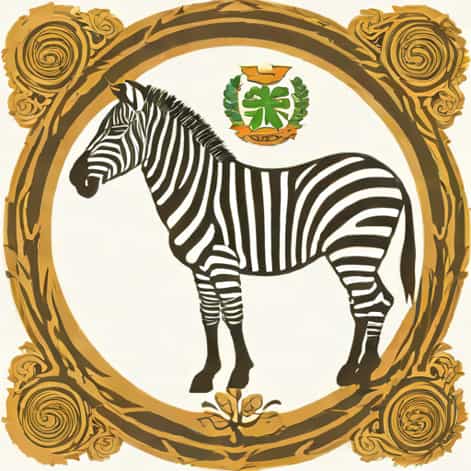
The zebra on the Zambian coat of arms is a striking symbol that captures the essence of the nation’s wildlife, cultural heritage, and natural beauty. Positioned prominently on this national emblem, the zebra represents both the rich biodiversity of Zambia and the resilience and spirit of its people. The coat of arms as a whole combines several elements that reflect Zambia’s history, economy, and identity, but the zebra stands out for its distinctive black and white stripes and symbolic significance. Understanding why the zebra was chosen and how it fits within the broader symbolism of the coat of arms provides insight into Zambia’s national pride and cultural values.
History of the Zambian Coat of Arms
The Zambian coat of arms was officially adopted shortly after the country gained independence from British colonial rule in 1964. It was designed to embody Zambia’s aspirations, natural resources, and cultural identity. Every element on the coat of arms has specific meaning, from the eagle soaring above to the shield, tools, and animals depicted. The zebra, in particular, is a prominent feature, representing the country’s connection to its natural environment and its commitment to preserving wildlife.
Design Elements
- The shield Featuring the main colors of the Zambian flag, it symbolizes the nation’s unity and history.
- The eagle Positioned above the shield, it represents freedom and the ability to rise above challenges.
- The tools and crops Depicted below the shield, they highlight Zambia’s agricultural and economic foundation.
- The zebra Flanking the shield, representing wildlife, resilience, and the beauty of Zambia’s landscapes.
The Zebra Symbolism and Meaning
Zebras are native to many regions of Africa, including Zambia, and are known for their distinctive black and white stripes. On the Zambian coat of arms, the zebra symbolizes the nation’s rich wildlife heritage. It also represents freedom, harmony, and the blending of diversity, reflecting Zambia’s multi-ethnic population and commitment to unity. The zebra is not merely a decorative element; it carries deeper cultural and environmental significance, reminding citizens and observers of the importance of preserving nature while celebrating national identity.
Wildlife and National Identity
Wildlife has played a critical role in shaping Zambia’s identity. The country is home to numerous national parks and game reserves, such as South Luangwa and Kafue National Park, where zebras, lions, elephants, and other iconic African animals thrive. By including a zebra on the coat of arms, Zambia emphasizes its dedication to protecting these species and highlights the pride the nation takes in its natural environment. This connection reinforces the idea that national identity is deeply intertwined with ecological conservation.
Symbol of Resilience
The zebra is also a symbol of resilience and adaptability. Zebras live in harsh environments and navigate challenges such as predators and seasonal changes. Similarly, the inclusion of the zebra on the coat of arms reflects Zambia’s resilience as a nation, emphasizing the strength and determination of its people. It conveys the message that despite obstacles, Zambia continues to grow, adapt, and thrive.
Placement and Artistic Representation
On the Zambian coat of arms, two zebras stand on either side of the shield, serving as supporters. Their positioning creates a sense of balance and symmetry, enhancing the visual appeal of the emblem. The zebras are depicted in a naturalistic style, highlighting their unique stripes and form, which helps communicate the connection between Zambia and its wildlife heritage. The artistic representation ensures that the zebras are instantly recognizable, emphasizing their symbolic role in the national emblem.
Color and Detail
The black and white stripes of the zebras are carefully illustrated to convey authenticity and attention to detail. This contrast also mirrors the nation’s commitment to unity in diversity, reflecting the idea that differences can coexist harmoniously. Additionally, the zebras’ positioning alongside the shield underscores their importance as protectors of national values, standing as guardians of Zambia’s sovereignty and heritage.
Comparison with Other National Symbols
Many countries incorporate animals into their coats of arms to reflect unique aspects of culture, history, or environment. Zambia’s choice of the zebra is particularly meaningful because it highlights both the natural and cultural significance of wildlife in African nations. Unlike lions or eagles, which often symbolize power or authority, the zebra emphasizes harmony, resilience, and the beauty of nature, distinguishing Zambia’s emblem as a celebration of ecological pride as well as national identity.
Similar Symbolism in Africa
Other African nations also feature indigenous wildlife in their symbols, such as elephants in Botswana or lions in Kenya. However, the zebra is uniquely associated with Zambia, representing a balance between strength and peaceful coexistence. This choice reinforces Zambia’s identity as a country that values its natural heritage and integrates it into national symbolism in a thoughtful and meaningful way.
Cultural and Educational Importance
The zebra on the Zambian coat of arms is not only a symbol for official purposes but also serves as a teaching tool for citizens and visitors. It provides an opportunity to educate people about the importance of wildlife conservation, national pride, and the interconnectedness of culture and environment. Schools, museums, and public institutions often use the coat of arms to explain Zambia’s history and values, with the zebra serving as an engaging focal point for discussions about biodiversity and heritage.
Promoting Conservation Awareness
- Encouraging respect for wildlife and natural habitats.
- Highlighting the role of national parks and reserves in protecting species.
- Teaching young generations about the symbolism of national emblems.
- Inspiring citizens to participate in environmental preservation efforts.
The zebra on the Zambian coat of arms is a powerful symbol that embodies the nation’s wildlife, resilience, and cultural heritage. Flanking the shield, the zebras represent harmony, adaptability, and pride in the natural environment, highlighting Zambia’s commitment to preserving its rich biodiversity. Their distinctive black and white stripes serve as a visual reminder of unity in diversity, while their position on the emblem conveys protection and national strength. Understanding the symbolism of the zebra provides insight into Zambia’s identity, values, and aspirations, making it one of the most recognizable and meaningful elements of the national coat of arms. By combining artistic representation with cultural significance, the zebra ensures that Zambia’s emblem not only reflects history and authority but also celebrates the nation’s vibrant wildlife and commitment to conservation.