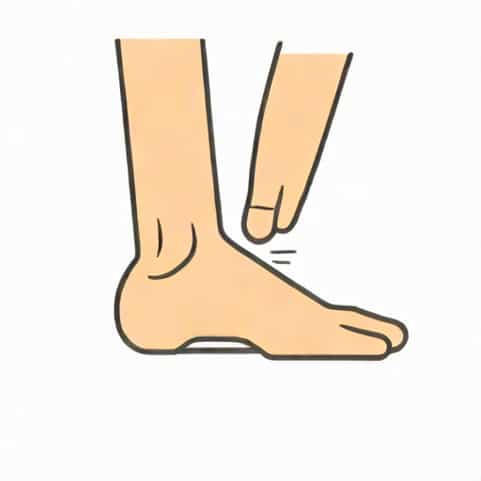
Feeling pain on the outside of the foot when flexed is a common issue that affects people of all ages and activity levels. The discomfort may appear suddenly after an injury or gradually due to repetitive strain. Many individuals notice that the pain intensifies when they point or flex the foot, walk long distances, or stand for extended periods. Because the outer side of the foot contains several bones, tendons, and ligaments, pain in this area can come from multiple causes. Understanding what might trigger this discomfort can help you identify patterns, adjust daily habits, and decide when to seek professional evaluation.
Common Reasons the Outside of the Foot Hurts When Flexed
Pain on the outside of the foot often relates to structures such as the peroneal tendons, the cuboid bone, or soft tissues that support the ankle and foot. Flexing the foot places tension on these areas, which is why certain movements worsen the discomfort. Recognizing the likely causes can help narrow down what might be happening.
Peroneal Tendon Strain or Tendonitis
The peroneal tendons run along the outer ankle and attach to the foot. They help with balance, stabilization, and side-to-side motion. When these tendons become irritated, stretched, or inflamed, pain can occur during flexing or rotating the foot. Athletes, runners, and people who walk on uneven surfaces often experience this condition due to repetitive stress.
- Pain when pointing or flexing the foot
- Discomfort along the ankle and outside edge of the foot
- Symptoms that worsen with activity
Cuboid Syndrome
Cuboid syndrome occurs when the cuboid bone, located on the outer midfoot, becomes slightly displaced or irritated. This can cause sharp or aching pain when putting weight on the foot or flexing it. The condition is more common among dancers, runners, and those who frequently roll their ankle.
Pain from cuboid syndrome often feels deep and may make walking uncomfortable. Some people describe a sensation of tightness or instability along the outer foot.
Ankle Sprain or Instability
A previous ankle sprain can lead to lingering weakness or instability. Since the outer ligaments of the ankle are commonly affected, flexing the foot may stretch injured tissue and cause pain. Even after healing, scar tissue or reduced mobility can create tension along the outside of the foot.
People with chronic ankle instability may notice pain mainly when the foot bends or moves side-to-side.
Stress Fracture in the Fifth Metatarsal
Stress fractures can develop from repetitive pressure on the outer foot. The fifth metatarsal the long bone on the outside of the foot is especially vulnerable. Pain may initially appear only during movement or flexing but can become constant if the fracture worsens.
- Gradual onset of pain
- Tenderness to touch
- Pain that increases with activity
Tight Muscles or Overuse
Sometimes the pain is caused not by injury, but by overworked muscles or tightness in the calf, ankle, or foot. Flexing the foot pulls on connected tissues, making irritation more noticeable. People who suddenly increase activity, switch footwear, or stand for long hours may experience this type of outer foot pain.
How Flexing the Foot Triggers Outer Foot Pain
Flexing the foot activates multiple structures at once. When something in the area is irritated or strained, tension from movement can amplify the discomfort. Understanding the mechanics helps explain why certain motions feel worse.
Increased Load on Tendons
Flexing stretches the peroneal tendons, making inflammation or strain more painful. These tendons work to stabilize the foot, so they are engaged even during simple movements like walking or stepping.
Pressure on the Cuboid Bone
When the foot bends, the cuboid bone shifts slightly. If it is misaligned or irritated, this movement can create a sharp or aching sensation.
Changes in Joint Alignment
Past injuries or strained ligaments may cause altered foot mechanics. Flexing can highlight these imbalances, resulting in outer foot pain.
When the Outside of the Foot Hurts During Specific Activities
Different daily movements can reveal valuable clues about what might be causing the pain. Observing when the pain occurs helps narrow down potential issues.
Pain During Walking
If pain appears mainly when walking or taking long steps, the issue may relate to the cuboid bone or peroneal tendons. Walking applies repetitive force, making these structures work harder.
Pain When Standing
Outer foot pain during standing may indicate overuse, footwear problems, or muscle tightness. Standing puts continuous pressure on bones and tendons without allowing them to rest.
Pain After Exercise
Post-exercise pain commonly signals irritation, inflammation, or early-stage tendonitis. If the discomfort settles after rest, the issue may be mild but worth monitoring.
Home Measures That May Reduce Pain
While severe or persistent pain should be evaluated by a healthcare provider, some simple home measures may help reduce discomfort in mild cases. These general steps focus on reducing irritation and supporting recovery.
Rest and Reduced Activity
Giving the foot time to recover is often the first step. Avoiding movements that trigger pain can help calm inflammation and prevent worsening of the issue.
Gentle Stretching
Light stretches for the calf, ankle, and outer foot may ease muscle tension. Stretching should feel gentle, not painful, and can help improve mobility.
Footwear Evaluation
Worn-out shoes or those lacking proper support can contribute to foot pain. Switching to supportive footwear may reduce strain on the outer foot and improve alignment.
Cold or Warm Compresses
Cold packs may decrease inflammation, while warm compresses can relax tight muscles. Some people benefit from alternating both.
When to Consider Professional Evaluation
Not all cases resolve with simple care. Certain symptoms suggest that a medical evaluation may be helpful to identify underlying issues and determine the most appropriate treatment.
- Severe pain that limits daily activity
- Swelling or bruising that does not improve
- Pain lasting longer than a few weeks
- Difficulty bearing weight on the foot
- Numbness, tingling, or unusual weakness
A healthcare professional may check for structural problems, tendon injuries, or bone stress. Treatment recommendations depend on the cause and may include physical therapy, imaging studies, or targeted exercises.
Ways to Support Foot Health Long Term
To help prevent outer foot pain from returning, maintaining good foot health is essential. Healthy habits support stability, reduce strain, and improve movement.
Strengthening Exercises
Exercises that strengthen the foot and ankle can improve stability. Strong muscles absorb force more effectively and protect tendons from overuse.
Proper Warm-Ups
Before exercise or extended walking, warming up helps prepare muscles and reduces the likelihood of irritation.
Balanced Activity Levels
Gradually increasing physical activity can prevent sudden overload on the foot. Sudden or intense increases in training often contribute to outer foot pain.
Final Reflections
Pain on the outside of the foot when flexed can come from several possible sources, including tendon irritation, cuboid issues, ankle instability, or overuse. Paying attention to when the discomfort appears and how it feels may provide important clues. Although many mild cases improve with rest, stretching, and supportive footwear, persistent or severe pain may require professional guidance. Understanding the potential causes empowers individuals to make thoughtful decisions about foot care, reduce discomfort, and protect long-term mobility.