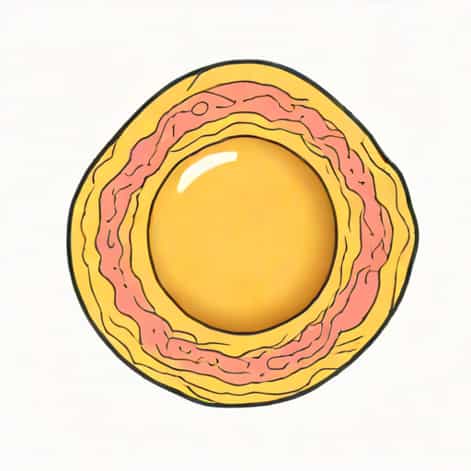
Yolk sac tumors are rare but highly significant malignant germ cell tumors that primarily affect children and young adults. These tumors, also known as endodermal sinus tumors, arise from primitive germ cells and are most commonly found in the ovaries or testes. Understanding the pathology of yolk sac tumors is crucial for accurate diagnosis, effective treatment, and improved patient outcomes. Pathology outlines provide a structured approach to identifying histological features, immunohistochemical profiles, and clinical correlations that guide pathologists and clinicians in managing this aggressive tumor type.
Definition and Overview
Yolk sac tumors are malignant neoplasms originating from germ cells that attempt to differentiate into yolk sac structures. They are classified as non-seminomatous germ cell tumors when occurring in the testes and are often considered highly aggressive due to their rapid growth and potential for metastasis. Although these tumors are most commonly diagnosed in children under three years of age, they can occasionally occur in adolescents and adults. Pathology outlines help highlight key features that distinguish yolk sac tumors from other germ cell tumors, ensuring timely and accurate diagnosis.
Gross Pathology
On gross examination, yolk sac tumors typically appear as well-circumscribed, solid masses that may be soft and friable. They often show areas of hemorrhage, necrosis, and cystic degeneration. The cut surface may be yellow-tan due to the lipid content within the tumor cells. These gross characteristics, combined with clinical presentation and tumor markers, provide initial clues for pathologists when evaluating tissue specimens.
Microscopic Features
Histologically, yolk sac tumors exhibit a variety of architectural patterns, reflecting the differentiation of primitive germ cells. Key microscopic features include
- Schiller-Duval bodiesThe hallmark of yolk sac tumors, consisting of a central blood vessel surrounded by tumor cells within a space lined by flattened cells, resembling glomeruli.
- Microcystic or reticular patternsNetworks of small cystic spaces lined by cuboidal or flattened epithelial cells.
- Endodermal sinus-like structuresTubular or glandular formations mimicking early yolk sac development.
- Hyaline globulesEosinophilic, periodic acid-Schiff-positive globules found within the cytoplasm or extracellularly.
- Solid sheets and papillary structuresLess common patterns that may coexist with microcystic areas.
Immunohistochemistry
Immunohistochemical staining is essential for confirming the diagnosis of yolk sac tumors. Specific markers help differentiate these tumors from other germ cell tumors and metastatic neoplasms. Important markers include
- Alpha-fetoprotein (AFP)Highly sensitive and specific for yolk sac tumors, often used as a serum tumor marker as well.
- Glypican-3A membrane-associated protein that is strongly expressed in yolk sac tumors.
- SALL4A nuclear transcription factor that serves as a sensitive marker for germ cell tumors.
- CKAE1/AE3 and CK8/18Cytokeratin expression is often present in epithelial components of the tumor.
- Negative for PLAPTypically helps differentiate from seminomatous germ cell tumors, which are PLAP-positive.
Serum Markers and Clinical Correlation
Alpha-fetoprotein (AFP) is not only a diagnostic marker but also a valuable tool for monitoring treatment response and detecting recurrence. Elevated serum AFP levels are often observed at diagnosis and should decline following successful therapy. Glypican-3 may also be detected in tissue or serum and complements AFP in confirming the diagnosis. Clinicians often integrate serum marker trends with imaging findings and histopathology to guide patient management effectively.
Variants and Histologic Patterns
Yolk sac tumors can exhibit diverse histologic patterns, which sometimes coexist within the same tumor. Recognizing these patterns is important for accurate diagnosis
- Microcystic or reticular patternThe most common, forming delicate networks of spaces and cells.
- Endodermal sinus patternCharacterized by Schiller-Duval bodies and hyaline globules.
- Papillary patternFinger-like projections that may mimic other epithelial tumors.
- Solid patternSheets of uniform tumor cells with minimal stroma.
- Mixed patternsTumors may show combinations of these histologic types, complicating diagnosis.
Differential Diagnosis
Pathologists must carefully distinguish yolk sac tumors from other malignancies with similar features, such as
- Embryonal carcinoma – typically PLAP-positive and lacks Schiller-Duval bodies.
- Teratoma – shows differentiated tissues from multiple germ layers.
- Hepatocellular carcinoma – may resemble yolk sac tumors but usually AFP-positive without germ cell markers.
- Metastatic carcinoma – often lacks the germ cell immunoprofile and classic histology.
Clinical Management and Prognosis
Early diagnosis of yolk sac tumors is critical due to their aggressive nature. Standard treatment typically involves surgical resection followed by chemotherapy. Pathology outlines guide surgeons and oncologists in assessing tumor margins, staging, and predicting behavior. Prognosis depends on the stage at diagnosis, response to chemotherapy, and completeness of tumor removal. When detected early and treated appropriately, the overall survival rate for children and adolescents is favorable.
Follow-Up and Monitoring
Regular follow-up using serum AFP levels, imaging studies, and clinical examinations is essential to detect recurrence or metastasis. The decline of AFP post-treatment is an important indicator of treatment success, while rising levels may signal recurrence. Pathology reports, including detailed descriptions of tumor architecture, margins, and immunohistochemical profiles, provide essential information for ongoing monitoring and clinical decision-making.
Yolk sac tumors are rare but aggressive germ cell tumors that require careful pathological evaluation for accurate diagnosis and effective treatment. Pathology outlines provide a structured framework for identifying key gross and microscopic features, immunohistochemical profiles, and clinical correlations. Recognizing hallmark patterns such as Schiller-Duval bodies, hyaline globules, and AFP expression ensures precise differentiation from other germ cell and epithelial tumors. With early detection, appropriate surgical intervention, and adjuvant chemotherapy, patients with yolk sac tumors can achieve favorable outcomes. Pathology remains central to guiding treatment, predicting prognosis, and supporting long-term patient monitoring.